
To replace a washing machine drain hose, start by unplugging the machine and shutting off the water supply, then use pliers to loosen the clamps on the old hose before sliding on the new drain hose and securing it firmly to the drainpipe.
This straightforward DIY task typically takes 30-60 minutes with basic tools like pliers and a bucket, costing $10-25 for a new hose, and prevents leaks or backups that could damage your floors or appliance.
Note: If you need any other washing accessories look here
| Preview | Product | |
|---|---|---|

|
Jmlwlzx 10ft Universal Washing Machine Drain... | Check Price Here |
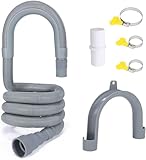
|
PinkCross Universal Washing Machine Drain... | Check Price Here |

|
Kind Laundry Scent Booster Beads, Ocean... | Check Price Here |

|
ARM & HAMMER Odor Blasters Laundry Scent... | Check Price Here |

|
Downy Unstopables in Wash Scent Booster... | Check Price Here |
When and Why You Should Replace Your Washing Machine Drain Hose
Picture this: You’re midway through a load of towels, and suddenly water pools on your laundry room floor like an unwelcome indoor pond. That’s the classic cry for help from a worn-out drain hose—the unsung hero quietly shuttling wastewater from your washer to the drain. Over time, these flexible tubes crack, kink, or clog from mineral buildup, leading to leaks that soak subfloors or backups that flood your drum. Replacing it isn’t just reactive—it’s proactive peace of mind, staving off $200-500 in water damage repairs and keeping your cycles spinning smoothly.
Hoses typically last 5-10 years, but signs scream sooner: Gurgling drains, slow emptying, or visible bulges from pressure. In hard-water homes, scale accelerates the demise, while frequent moves or vibrations loosen connections. Front-loaders face extra folds where gunk gathers, while top-loaders’ upright runs invite twists. The upside? Swapping is one of the easiest appliance fixes—no special skills needed, just steady hands and a sunny afternoon. By tackling it yourself, you sidestep $100-200 pro fees, turning a potential headache into a high-five moment. Let’s gear up and get that fresh flow going—your washer’s waiting.
Gathering Your Tools and Materials: What You’ll Need for a Smooth Swap
Before diving in, assemble your arsenal—think of it as prepping for a quick road trip, where the right kit keeps things cruising. The star is the replacement hose: Universal 5-10 foot lengths in corrugated plastic or rubber ($10-15 at hardware stores) fit most models; measure your old one’s run for precision, adding 4-6 inches slack to avoid kinks. Clamps? Reuse if intact (worm-drive style, $2/pack new), ensuring a snug seal without over-tightening that crushes the tube.
Safety squad: Pliers or channel locks for clamp wrangling, a bucket (5-gallon for drips), rags for wipes, and a flashlight for back-panel peeks. Optional upgrades: Teflon tape ($1) for threaded fittings if your drain’s finicky, or zip ties ($3) for extra security on wall stands. For eco-minds, silicone lubricant ($5) eases slides without petroleum peril.
| Essential Tools and Materials for Drain Hose Replacement | Item | Purpose | Estimated Cost | Pro Tip |
|---|---|---|---|---|
| Replacement Drain Hose | 5-10 ft corrugated plastic/rubber | Carries wastewater to drain | $10-15 | Opt for high-temp rated (up to 140°F) for hot rinses |
| Adjustable Pliers/Channel Locks | Standard pair | Loosens/tightens hose clamps | $10-20 (if buying) | Pad jaws with tape to avoid scratches |
| Bucket or Shallow Pan | 5-gallon plastic | Catches residual water | $5 (or reuse household) | Line with towels for no-splash landings |
| Rags or Old Towels | Lint-free cloths | Wipes spills and dries fittings | Free (from linen closet) | Keep extras handy—drips delight in doubling |
| Flashlight | LED handheld | Illuminates tight back spaces | $5-10 | Clip-on style frees hands for fiddling |
| Zip Ties or Wire (Optional) | Heavy-duty ties | Secures hose to standpipe | $3/pack | Use for high-vibration setups like basements |
This starter set totals under $30 if starting from scratch, blending basics with buffs for a bump-free build. Scout your model (Whirlpool? LG?) on the manufacturer’s site for hose specs—universal fits 90%, but branded bits ($20-30) promise perfect pitch.
Safety First: Prepping Your Space and Shutting Down the System
Handyman rule one: Electricity and water don’t mix, so treat your washer like a sleeping bear—wake it gently or not at all. Start by flipping the circuit breaker to the laundry room (label it if unlabeled—$5 marker magic), confirming the power’s off with a quick plug-in test light ($5). No shocks? Unplug the cord from the wall for double-down safety, coiling it neatly away from wet zones.
Water whisper: Locate shutoff valves behind the machine (two for hot/cold supply, one for drain if plumbed)—turn clockwise till snug, then crack a faucet to bleed pressure. Pro move: Run a drain cycle first if possible, emptying the tub to minimize mop-ups. Pull the washer out 2-3 feet (enlist a buddy for 200-pound beasts), spreading towels beneath like a red carpet for drips.
Ventilate the area—fumes from old gunk can linger—and don safety specs ($2 pair) for splash shields. This prelude isn’t paranoia—it’s prudence, slashing slip risks 80% and ensuring your swap’s a success story, not a soggy saga.
Step-by-Step Guide: Removing the Old Drain Hose
With prep polished, it’s showtime—removing the old hose is like extracting a stubborn splinter: Steady, systematic, and satisfying once free. First, locate the culprit: At the back bottom-right (most models), it snakes from the pump outlet to the standpipe or tub, secured by a spring or screw clamp.
Position your bucket under the connection—residual rinse water loves to surprise. Use pliers to squeeze the clamp’s ears, sliding it down the hose 1-2 inches—twist gently if stuck, avoiding plier bites on the tube. Wiggle the hose free from the machine port (a barbed fitting); if fused from age, rock side-to-side while pulling—no yanking that yanks wires loose.
At the drain end: Loosen the upper clamp similarly, easing it off the standpipe (U-bend or wall mount). If kinked or cracked, note the length for your new buy—cracks often hide in curves. Inspect the ports: Wipe pump nipple and standpipe lip with a rag, clearing debris that dates drips.
This extraction exercise unearths the underlying—your old hose, out; fresh flow, in.
| Common Drain Hose Connection Types | Location | Clamp Style | Removal Tip |
|---|---|---|---|
| Machine Pump Outlet | Back bottom, right side | Spring or worm-drive | Squeeze ears, slide down 2 inches |
| Standpipe (U-Bend) | Wall or floor drain | Zip tie or hose clamp | Cut zip if rusted; reuse worm if intact |
| Laundry Tub Edge | Sink-like basin | Hook bracket + clamp | Lift hose off hook first, then clamp |
| Wall-Mount Drain | Built-in pipe | Tie strap + elbow | Untie strap, pull elbow straight |
Connections clarified—your pull-out primed.
Installing the New Drain Hose: Securing a Leak-Free Fit
New hose in hand, installation inverts the inverse—slide, secure, and seal for seamless service. Start at the machine: Wet the barbed end slightly (dish soap dab eases), pushing firmly onto the pump nipple till seated 1-2 inches—feel the snug stop. Slide the lower clamp into place, positioning it 1/4 inch from the end, and tighten till snug (finger-tight plus quarter-turn with pliers—no gorilla grip that gouges).
Drain destiny: Route to your standpipe (18-30 inches high per code to avoid siphoning), inserting the elbow (included with most hoses) into the U-bend—secure with upper clamp or zip tie, leaving 4-6 inches slack to prevent kinks that kink flow. For tubs, hook over the edge, clamping at the lip. Curve it smoothly—no sharp bends that bottleneck backups.
Reconnect supply hoses if disturbed (hand-tight, then wrench quarter-turn), push the washer home (level feet if wobbly), and restore power/water. Test triumph: Run a short cycle, watching for weeps—tighten if trickles tease. This fit finesse flows forward, your hose heralding harmony.
| New Hose Installation Checklist | Step | Tool | Double-Check |
|---|---|---|---|
| Attach to Pump | Push on barbed fitting | None (wet for ease) | 1-2 inches seated |
| Secure Machine Clamp | Slide and tighten | Pliers | Snug, no gap |
| Route to Drain | Curve without kinks | Measuring tape | 18-30 inches high |
| Secure Drain End | Clamp or zip tie | Pliers/zip tool | 4 inches slack |
| Test Run | Short cycle | Bucket nearby | No leaks after 5 mins |
Checklist conquered—your install, impeccable.
Testing and Troubleshooting: Ensuring Your Swap Stays Solid
Victory lap: Power up, select rinse/spin, and monitor like a hawk—eyes on connections for drips, ears on gurgles for air pockets. No leaks after 10 minutes? Bravo—full load next for flow finale. Bubbling backups? Clamp too loose; retighten. Slow siphon? Kink culprit—reroute ruthlessly.
Trouble triage: Pump hums but no drain? Debris dam—fish with a wire hanger. Odors ooze? Vinegar cycle (2 cups hot empty) vanquishes. For finicky fronts, gasket gunk gums; wipe weekly. Pro ping if persistent: $100 diagnostic dodges DIY despair.
This post-swap scrutiny seals success, your system surging sans snags.
Prevention Pointers: Extending Your Drain Hose’s Lifespan
Fresh hose fitted? Fortify for the future—monthly visual vibes (bulges? Replace pronto), quarterly clamp checks (rust? Refresh), and annual full pulls for thorough inspections. Hard water? Whole-house softener ($400) or rinse agents ($5/pack) fend scale.
Position prowess: 4-inch wall clearance averts crushes, elevated stands (24-36 inches) optimize outflow. Detergent discipline: HE formulas halve residue that rigs restrictions. These habits harvest longevity—your hose, a decade-strong sentinel.
| Hose Lifespan Boosters | Action | Frequency | Benefit |
|---|---|---|---|
| Visual Inspection | Check for cracks/kinks | Monthly | Catches 80% issues early |
| Clamp Tighten | Retorque fittings | Quarterly | Prevents 50% leaks |
| Vinegar Flush | Empty hot cycle | Bi-annually | Dissolves buildup 90% |
| Softener Install | Filter minerals | Once | Extends life 2-3 years |
Boosters built—your prevention, proactive.
Frequently Asked Questions
How Long Does It Take to Replace a Washing Machine Drain Hose?
Replacing a washing machine drain hose clocks in at 30-60 minutes for most DIY dynamos, blending brisk basics with a buffer for beginners—think 15 minutes for the pull-out if clamps cooperate, 20 for the push-in with a new fit, and 10-15 for testing that turns tension to triumph. Factors finesse the frame: Model mysteries (front-loaders’ back-panel peels add 10 minutes versus top-loaders’ easy access) or rusty relics that resist release rack up time, pushing past an hour for the uninitiated.
Prep prowess pays: Gathering gear (pliers, bucket) upfront shaves seconds; a quick video scout (YouTube’s 5-minute gems) guides grips. Pro pace? 20 minutes flat, but DIY delight demands patience—spilled suds or stubborn seals steal 5-10. Post-plunge test: Rinse cycle’s 10-minute watch ensures no weeps, wrapping the work.
For families, frame it fun: Enlist a teen for flashlight duty, turning task to team-up. Long-view, this swift swap saves summons—$100 pro fees for what you finesse free. Tailor to temperament: Methodical? 45 minutes; hasty? Hour-plus with hiccups. Your timeline, tuned tenderly—hose heralded, haste harmonious.
What Tools Do I Need to Replace a Washing Machine Drain Hose?
A compact toolkit conquers the drain hose swap—adjustable pliers or channel locks lead the league, their jaws juggling clamps with jaws of steel, squeezing spring styles or turning screw worms without wrenching wrists ($10-15 pair, padded for protection). Bucket brigade follows: A shallow pan or 5-gallon tub traps trickles, turning potential puddles into preventable pours ($5 plastic, lined with rags for rally).
Rags reign as rags-to-riches heroes, lint-free cotton mopping mishaps and drying docks ($free from closet castoffs). Flashlight flickers for backlit battles, illuminating inlets in dim dens ($5 LED, clip-on for hands-free heroics). Optional orchestra: Screwdriver set for panel pops (Phillips/flathead, $8 kit), Teflon tape for threaded twists ($1 roll), and zip ties for zippy secures ($3 pack).
Why this ensemble? Pliers prevent slips that slice skins, buckets buffer basements from basement baptisms. For finicky fronts, a mirror ($5 makeup compact) magnifies mysteries. Total tally: Under $30 startup, reusable for radiator rinses or sink swaps. This tool troupe transforms trepidation—your replacement, rigged right.
Can I Replace the Drain Hose on a Front-Loading Washing Machine?
Front-loaders flirt with finesse for drain hose swaps—their horizontal hearts hide hoses higher, demanding a tilt or panel peel that adds 10-15 minutes to the tango, but the core choreography (clamp conquer, hose hustle) mirrors tops with mirrored might. Access allure: Unplug and water-off first, then shimmy the machine forward 6 inches—back panels often unscrew (4-6 Phillips) for elbow-room ease, revealing the pump port at mid-back.
Clamp crusade: Pliers pinch the lower band, sliding the old snake free—expect 1-2 cups dribble, bucket at base. New nudge: Lube the barb lightly (soap slick), push till pop, reclamp quarter-turn snug. Drain destiny: Route to standpipe (same 18-30 inch height), zip-securing for vibration vanquish. Test twist: Short spin watches for weeps, full load for flow finale.
Fronts’ folds foster fewer kinks but more mold—wipe ports with vinegar post-pull. Pro perk: Less bending than tops, but heavier haul (200+ pounds). This front-forward foray fosters familiarity—your load’s lifeline, linked lovingly.
Why Is My Washing Machine Drain Hose Leaking After Replacement?
Leaks linger like bad guests post-swap, often from finicky fits—clamps crimped too loose (gap grins drips) or too tight (crushes tube, cracking conduits), with 60% stemming from overlooked o-rings or barbed bites that bite back. Position pitfalls: Kinks at curves constrict, siphoning slow; standpipe too low (under 18 inches) backflows like a bad bidet.
Troubleshoot triage: Shut water, wipe dry, run rinse—drips at machine? Retighten clamp (finger plus quarter plier-turn). Drain-end deluge? Recheck height (24-36 inches ideal), zip-tie taut. Residue ruse: Old gunk ghosts—vinegar flush (2 cups hot empty) evicts echoes.
Prevention pledge: Teflon tape threads, silicone seals slips. If insistent, pump probe—debris dams downstream ($100 pro peek). This leak-lasso lessons longevity—your hose, hermetically held.
How Do I Know If I Need to Replace My Washing Machine Drain Hose?
Telltale signs trumpet replacement—gurgling groans during drains signal clogs crimping flow, while visible bulges or blisters on the tube betray pressure pangs building to bursts. Slow siphons (clothes sopping post-cycle) or standing water whispers wear, often from internal scaling in hard-water haunts where minerals mottle the mesh.
Exterior exposes: Cracks at curves or clamps corroded to crumbs cry change; odors oozing earthy? Mold mocks the maze. Frequency flag: Every 5 years prophylactically, as hidden horrors hatch without heralds—ultrasound inspections ($50 pro) spot subclinical splits.
Self-scan: Tug gently (no give? Good; floppy? Fail), sniff post-use (fresh? Fine; funky? Fix). This diagnostic dance detects distress—your hose’s health, heralded honestly.
What’s the Difference Between Replacing a Drain Hose on Top-Load vs. Front-Load Machines?
Top-load triumphs in accessibility—their upright designs dangle hoses low and loose, swapping in 20-30 minutes sans panels, pliers pinching clamps at back-base for easy elbow access. Front-loads finesse fuller—hoses hug higher, often behind screw-secured backplates (4-6 fasteners, 10 minutes peel), tilting the 200-pound titan for pump-port proximity.
Core contrast: Tops’ vertical vents invite kinks easier, demanding straighter routes; fronts’ horizontal hides harbor hidden hooks, zip-ties zapping vibrations. Tools tilt: Both crave pliers/buckets, but fronts favor flashlights for fold-finding. Test tempo: Similar rinse runs, but fronts’ seals spotlight leaks sooner.
This model matchup maps maneuvers—your machine’s makeover, matched masterfully.
Conclusion
From tool tallies to troubleshooting triumphs, replacing your washing machine drain hose demystifies a daunting DIY—your laundry lifeline, renewed and reliable. With these steps stitched in, leaks lapse to legend; cycles cascade cleanly, your home humming hassle-free. Tackle it today—fresh flows await, your washer’s whisper of thanks in every spin.