
Pigs root. They dig. They push with a force that surprises anyone who has never tried to physically move a 300-pound sow away from something she wants. Standard fencing that works perfectly for cattle and horses becomes a temporary inconvenience for a determined pig that can burrow underneath, push through, or simply lift panels off their supports with that powerful snout.
What makes pig containment uniquely challenging is that these animals are simultaneously intelligent, strong, and low to the ground. A fence designed for taller livestock misses the pig entirely because they go under rather than over or through.
| Preview | Product | |
|---|---|---|
|
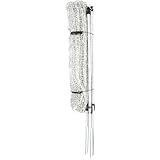
Premier 1 Pig QuikFence Electric Fence for... | Check Price Here |

|
Premier 1 Pig QuikFence Starter Kit for Pigs... | Check Price Here |

|
Premier 1 PigletNet Plus Electric Fence for... | Check Price Here |
|
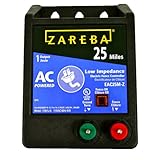
Zareba 25 Mile AC Powered Low Impedance... | Check Price Here |

|
Zareba 10 Mile AC Powered Low Impedance Fence... | Check Price Here |
|
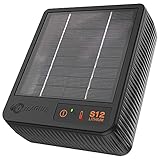
Gallagher S12 Solar Electric Fence Charger |... | Check Price Here |
Mud adds another layer of difficulty because it insulates pigs from electrical shock, meaning your charger needs to punch through that insulation with enough voltage to still register.
The right combination of low wire placement, strong joule output, and mud-penetrating low impedance technology keeps pigs where you put them reliably. Getting any of those factors wrong means escaped pigs destroying your garden, your neighbor’s yard, or disappearing into the woods entirely. Eleven chargers and netting systems below earned their spot as the best electric fence for pigs through actual containment results on working pig operations.
How The Best Electric Fence For Pigs Impacts Your Operation
Pigs interact with fencing completely differently than any other livestock species on your farm. Cattle push sideways. Horses bolt forward. Goats climb over. Pigs go straight down, rooting underneath the bottom wire and crawling through before you even realize the fence has been compromised from below.
That rooting behavior means your bottom wire or netting strand must sit close to the ground while still maintaining electrical contact. Too high and pigs root underneath it effortlessly. Too low and vegetation shorts out the fence constantly, draining voltage below effective levels. Finding the sweet spot between ground clearance and containment height is the fundamental challenge of pig fencing.
Mud creates an insulating barrier between a pig’s skin and the ground that reduces shock effectiveness dramatically. Clean, dry ground provides excellent electrical conductivity when a pig contacts the fence because moisture in the soil completes the circuit. Muddy, wet pigs standing in muddy conditions experience reduced shock because the mud coating on their skin acts as an insulator between the animal and the charged wire.
Low impedance chargers solve this problem by delivering higher energy pulses that penetrate through mud insulation and vegetation shorts simultaneously. Standard impedance chargers simply cannot push enough voltage through the challenging conditions that pig pastures create naturally. Every serious pig farmer uses low impedance technology because the alternative means escaped pigs and constant fence repairs.
Financial consequences of pig escapes extend far beyond recapture time and fence repair costs on your property. Escaped pigs root up lawns, destroy gardens, damage landscaping, and create liability when they reach neighboring properties or roadways. One successful escape teaches pigs that the fence can be defeated, making future containment exponentially harder going forward.
What Is The Best Electric Fence For Pigs
Pig fencing requires lower wire placement than cattle or horse fencing because pigs attack barriers at ground level rather than chest height. Wire strands or netting need to start within six to eight inches of the ground surface for adult pig containment. Piglets require even tighter spacing because their small bodies squeeze through gaps that adult pigs cannot penetrate.
Voltage requirements for pig containment call for a minimum of 2,000 volts maintained on the fence line at all times according to Zareba Systems. This sounds modest compared to cattle requirements, but maintaining that voltage through mud and vegetation contact demands a charger with genuine low impedance capability. Weak chargers that deliver adequate voltage on clean wire fail completely when real pig pasture conditions drain their output.
Netting versus wire is a critical decision for pig operations because each approach serves different management styles and property configurations. Electrified netting provides a visible physical mesh that pigs cannot root through or crawl under when properly tensioned and energized. Multi-strand wire fencing costs less per foot but requires careful strand placement and strong charger output to deter rooting behavior effectively. These eleven products cover purpose-built pig netting, compatible chargers, and complete starter kits designed specifically for swine containment.
- Premier 1 Pig QuikFence 30in
- Premier 1 QuikFence Starter Kit
- Premier 1 Feral HogNet 24in
- Premier 1 PigletNet Plus 30in
- Zareba 25 Mile AC Charger
- Zareba 10 Mile AC Charger
- Gallagher S12 Solar Charger
- Gallagher S30 Solar Charger
- Zareba 50 Mile AC Charger
- Zareba 5 Mile Solar Charger
- MorningRo 8 Mile Dual Charger
Comparison Table Of Best Electric Fence For Pigs
| Product Name | Product Type | Height and Length |
|---|---|---|
| Premier 1 Pig QuikFence | Electric Netting | 30in x 100ft |
| Premier 1 QuikFence Kit | Complete Starter Kit | 30in x 200ft Total |
| Premier 1 Feral HogNet | Electric Netting | 24in x 100ft |
| Premier 1 PigletNet Plus | Electric Netting | 30in x 100ft |
| Zareba 25 Mile AC | AC Charger | 25 Miles, 1.0 Joule |
| Zareba 10 Mile AC | AC Charger | 10 Miles, 0.5 Joule |
| Gallagher S12 Solar | Solar Charger | 4 Miles, 0.12 Joule |
| Gallagher S30 Solar | Solar Charger | 20 Miles Ideal |
| Zareba 50 Mile AC | AC Charger | 50 Miles, 2.0 Joules |
| Zareba 5 Mile Solar | Solar Charger | 5 Miles, 0.15 Joule |
| MorningRo 8 Mile Dual | AC and DC Charger | 8 Miles, 2.0 Joules |
9 Best Electric Fence For Pigs: Netting, Wire & Solar Options
Premier 1 Pig QuikFence 30in
Premier 1 Pig QuikFence Electric Fence for...
Purpose-built for pigs. Not adapted from poultry netting. Not modified from sheep fencing. Premier 1 designed Pig QuikFence from the ground up specifically for the unique containment challenges that swine present. Standing 30 inches tall with a 100-foot roll length, six electrified horizontal strands contain adult pigs while the seven-inch ground clearance prevents rooting pigs from burying the bottom strand.
That ground clearance is a deliberate engineering decision. Too little clearance and grass shorts out the fence constantly, draining voltage below pig-deterrent levels. Too much clearance and pigs crawl underneath without ever contacting an electrified strand. Seven inches balances both concerns for reliable containment across varying grass heights throughout the season.
White and black coloring provides 24/7 visibility because pigs need to see the barrier clearly before contacting it at close range. Built-in posts arrive already woven into the mesh, so setup requires nothing more than unrolling and pushing posts into the ground. Premier 1 has refined this design over forty years of on-farm swine fencing experience with real pigs on real pastures in Iowa.
Top Features
- Purpose-built for pig containment with six electrified strands and seven-inch ground clearance
- 30-inch height contains adult domestic pigs while preventing rooting escape underneath
- White and black visibility ensures pigs see the barrier clearly before contact
- Built-in posts require only unrolling and pushing into ground for complete setup
- Premier 1’s forty years of on-farm swine fencing expertise behind the design
“A portable electric perimeter or subdivision fence for pastured pigs, allows pigs to forage gardens and fields.”
Premier 1 QuikFence Starter Kit
Premier 1 Pig QuikFence Starter Kit for Pigs...
Everything a first-time pig fencer needs in one purchase. Two 100-foot rolls of Pig QuikFence netting, a solar energizer, FiberTuff support posts, and a digital fence tester arrive together as a complete pig containment system. No separate charger shopping. No compatibility guessing. No missing components discovered mid-installation.
Two hundred feet of total netting creates a generous enclosure for pastured pigs to forage, root, and behave naturally within a secure electrified boundary. The included solar energizer eliminates AC power dependency for pasture locations far from barns and buildings. FiberTuff support posts reinforce corners, curves, and ends where standard built-in posts need additional structural help.
Starter kits remove the intimidation factor that stops many people from trying electric pig fencing for the first time altogether. Premier 1 designed this kit specifically for customers who have never built an electric fence before and want guaranteed compatibility. Both Pig QuikFence rolls, the solar charger, support posts, and tester are matched and tested together as a complete system.
Top Features
- Complete starter kit with two netting rolls, solar energizer, support posts, and tester
- 200 feet of total pig netting creates generous pastured pig enclosure area
- Solar energizer provides power independence for remote pasture pig containment
- FiberTuff support posts reinforce corners and curves where standard posts need help
- Designed for first-time pig fencers who want guaranteed compatibility from one purchase
“New to electric fence? Starter kits include netting, support posts, solar energizer and digital tester.”
Premier 1 Feral HogNet 24in
Feral hogs are a different animal entirely from domestic pigs, and this netting was engineered to handle that distinction specifically. Standing 24 inches tall with dense strand spacing, Premier 1’s HogNet increases visibility in brushy locations where feral hogs approach from heavy cover. The large number of strands in a compact 24-inch height ensures the animal contacts an electrified wire before pushing its snout through.
Positive/Negative configuration capability makes this netting functional in dry, rocky, sandy, or frozen winter soil conditions where standard grounding fails. Dry soil provides poor electrical conductivity, which means a standard fence relies on the pig’s contact with moist ground to complete the shock circuit. Pos/Neg netting alternates positive and negative strands so the animal completes the circuit by touching two adjacent wires simultaneously regardless of soil moisture.
Dual-purpose design deters feral hogs from gardens, food plots, and yards while also containing domestic pigs in pasture applications. Each 100-foot roll arrives with built-in posts and a warning sign for immediate installation readiness. For properties dealing with feral hog damage alongside domestic pig containment, one netting product handles both challenges effectively.
Top Features
- Dense strand spacing in 24 inches increases visibility and ensures contact before head insertion
- Positive/Negative capability works in dry, rocky, sandy, and frozen soil conditions
- Dual-purpose design deters feral hogs while containing domestic pasture pigs simultaneously
- Built-in posts and warning sign included for immediate field installation readiness
- Specifically engineered for the unique aggression and persistence of feral hog behavior
“Specifically designed to deter feral hogs from fields, gardens, lawns and yards with high hog pressure.”
Premier 1 PigletNet Plus 30in
Premier 1 PigletNet Plus Electric Fence for...
Piglets escape through gaps that adult pigs never fit through, and standard pig netting is not always tight enough for the smallest animals. PigletNet Plus addresses this with tighter mesh spacing at the bottom where young pigs attempt to squeeze through during their first weeks on pasture. The 30-inch height matches standard Pig QuikFence for consistent boundary management.
Extra line posts reduce the sag between posts that creates escape opportunities at the bottom edge of the netting. That reduced sag is critical for piglet containment because even a two-inch gap at ground level is enough for a determined four-week-old piglet. Plus-designated netting from Premier 1 always includes these additional line posts for better bottom-edge tension throughout the roll.
Sows with litters need both adult containment strength and piglet-tight mesh spacing in the same fence simultaneously. PigletNet Plus delivers both without requiring a separate interior piglet fence inside your main sow enclosure area. For breeding operations where mixed-age pig groups share pasture space together, tighter mesh eliminates the most common escape scenario.
Top Features
- Tighter bottom mesh spacing prevents piglet squeeze-through escapes that standard netting allows
- Extra line posts reduce sag creating better bottom-edge tension for small animal containment
- 30-inch height matches standard Pig QuikFence for consistent boundary management compatibility
- Dual-purpose design contains sows and piglets together without separate interior fencing
- Plus-designated construction provides superior tension and structure over standard netting
“Prefabricated portable electric fence best used with sows and piglets in moist pasture areas.”
Zareba 25 Mile AC Charger
Zareba 25 Mile AC Powered Low Impedance...
When it comes to powering pig netting, excess charger capacity translates directly into stronger pulses that penetrate mud-insulated pigskin. Zareba’s EAC25M-Z delivers 1.0 joule across 25 miles, which is massive overkill for pig netting measured in hundreds of feet. That overkill is exactly what pig fencing demands because mud, vegetation, and wet conditions drain voltage constantly.
Low impedance technology is non-negotiable for pig fence charging. Pigs root along the bottom wire bringing dirt and vegetation into constant contact with the electrified strands. Standard impedance chargers lose effective voltage within hours of a pig rooting session along the fence line. Low impedance pushes through these shorts maintaining the best electric fence for pigs deterrence levels continuously.
Easy-grip terminal knobs, Fence OK indicator light, and UL-listed safety certification make this a professional-grade charger accessible to any pig farmer regardless of experience level. Built in the USA with full-load factory testing ensuring every unit performs at its rated output from the first day of installation. Heavy-duty weatherproof cabinet handles permanent outdoor mounting near pig barns and shelters.
Top Features
- 1.0 joule output creates maximum voltage on pig netting for mud-penetrating deterrence pulses
- Low impedance pushes through rooting-caused vegetation shorts maintaining effective pig voltage
- 25-mile range provides massive over-capacity ensuring strongest pulses on shorter pig fences
- UL-listed with weatherproof cabinet for permanent outdoor mounting near pig facilities
- Built in the USA with full-load factory testing guaranteeing rated performance from day one
“Powerful 1-joule energizer that controls a variety of animals from rabbits and pigs to horses and cattle.”
Zareba 10 Mile AC Charger
Zareba 10 Mile AC Powered Low Impedance Fence...
Solid entry-level pig fence power at a price that respects small operation budgets. Zareba’s EAC10M-Z delivers 0.5 joule across 10 miles, providing adequate pig containment voltage for smaller pastures with manageable vegetation conditions. Low impedance design handles moderate rooting debris and grass contact without losing effective deterrence on the fence line.
Heavy-duty weatherproof cabinet protects electronics from the harsh, muddy environments that pig operations create around every piece of equipment constantly. An indicator light confirms operational status at a glance during daily pig chores without requiring a separate fence tester. Compatible with all wire types and netting products for flexible pig fence configuration options.
Affordable enough that many pig farmers purchase a dedicated charger for each separate pig pasture rather than running extensive connected fence lines. Made in the USA by North America’s largest electric fence manufacturer with decades of livestock fencing expertise behind the design. For small pig operations with fewer than ten head on compact pastures near electrical outlets, this charger delivers reliable daily performance.
Top Features
- 0.5 joule output provides adequate pig containment for smaller operations with managed vegetation
- Low impedance handles moderate rooting debris and grass contact maintaining effective voltage
- Heavy-duty weatherproof cabinet survives the muddy conditions pig operations create daily
- Affordable enough for dedicated chargers on multiple separate pig pasture installations
- Made in the USA with decades of livestock fencing expertise from the largest manufacturer
“Versatile fencing compatible with all electric fence wire types for farm fence applications and livestock containment.”
Gallagher S12 Solar Charger
Gallagher S12 Solar Electric Fence Charger |...
Solar pig fence power without compromise. Gallagher’s S12 uses lithium iron phosphate battery technology that outperforms standard batteries in the cloudy, overcast conditions that many pig pasture locations experience regularly. Built-in earthing eliminates the separate ground rod installation, getting your pig fence powered and operational in minutes rather than hours.
Smart digital control maintains reliable fence operation even during extended low-light periods when cheaper solar chargers go completely dead. Three-year warranty from Gallagher provides genuine confidence for pig farmers investing in solar-powered containment away from buildings. Super tough housing survives the mud, moisture, and physical abuse that pig operation environments subject equipment to daily.
Four miles of fence capacity on a shorter pig netting installation means maximum voltage output on every single pulse hitting the wire. Direct-mount design attaches to any metal rod without separate brackets for instant deployment wherever your pig pasture needs power. Compact enough to relocate between pig paddocks when you rotate grazing areas throughout the growing season.
Top Features
- Lithium iron phosphate battery maintains charge through cloudy overcast pig pasture conditions
- Built-in earthing eliminates ground rod for minutes-fast pig fence deployment at any location
- Smart digital control operates reliably during extended low-light weather periods continuously
- Three-year warranty from the most trusted agricultural fencing manufacturer in the world
- Compact direct-mount design relocates between pig paddocks without tools or separate hardware
“A compact, portable and super reliable fence energizer beautifully designed with farmers in mind.”
Gallagher S30 Solar Charger
Larger pig operations need larger solar power. Gallagher’s S30 covers up to 20 miles ideal range with 0.30 joules, handling multiple connected rolls of pig netting across bigger pasture rotations. Stronger output compared to the S12 creates more aggressive pulses that mud-coated pigs still feel through their insulating layer.
Lithium iron phosphate battery charges reliably during shorter winter days when pig containment still matters around the clock continuously. Three-year warranty and super tough housing ensure this charger survives demanding pig operation conditions year after year. Predator exclusion capability makes it dual-purpose for farms needing both pig containment and coyote protection simultaneously.
Solar powered lithium battery provides complete energy independence for pig pastures located far from barns and electrical infrastructure. Mounting takes seconds because the direct-mount design clips onto metal posts without brackets or specialized hardware. For pig operations running three or more connected netting rolls across rotational paddocks, the S30 provides the power that smaller solar chargers cannot sustain.
Top Features
- 20-mile ideal range handles multiple connected pig netting rolls across larger pasture rotations
- 0.30 joules creates aggressive pulses that mud-coated pigs still feel through insulation
- Lithium battery charges during short winter days maintaining year-round pig fence operation
- Three-year warranty with super tough housing for demanding pig operation environments
- Dual-purpose containment and predator exclusion on the same pig pasture fence line
“Solar fence energizer for cattle, horses, goats, small pastures, and predator control.”
Zareba 50 Mile AC Charger
Maximum power for maximum pig containment confidence. Zareba’s EAC50M-Z delivers 2.0 joules across 50 miles, which overwhelms every voltage-draining condition pig pastures throw at a fence charger. Heavy rooting debris, thick mud insulation, dense vegetation contact, and long wire runs all submit to this level of sustained electrical output.
The heavy-duty cabinet with moisture-resistant internals is built for the dirtiest, wettest environments that pig farming creates around fencing infrastructure. Low impedance at 2.0 joules pushes through conditions that would completely shut down chargers with less power available for the task. AC plug-in delivers consistent output without the variability that battery and solar sources introduce.
Large pig operations running extensive perimeter fencing through heavy brush and muddy bottomland conditions need this charger. Made in the USA with decades of Zareba manufacturing expertise focused on livestock containment in the most challenging agricultural environments. When pig escape is simply not acceptable under any circumstances, invest in the charger that eliminates doubt entirely.
Top Features
- 2.0 joule output overwhelms mud insulation, rooting debris, and vegetation contact simultaneously
- 50-mile range handles the most extensive pig perimeter fencing configurations available
- Low impedance at maximum power pushes through conditions that shut down lesser chargers
- Heavy-duty moisture-resistant cabinet built for the wet, muddy environments pigs create daily
- Made in the USA with decades of expertise focused on challenging livestock containment
“50-mile AC-powered low impedance electric fence charger for heavy weed conditions and large properties.”
Zareba 5 Mile Solar Charger
Affordable solar pig fence power for small operations. Zareba’s ESP5M-Z delivers 0.15 joule across 5 miles using built-in solar panel and rechargeable battery for autonomous day and night operation. A 360-degree rotating T-post bracket angles the solar panel toward maximum sunlight regardless of which direction your pig fence runs.
Low impedance keeps voltage effective through the minor vegetation contact that pig pasture fences accumulate naturally during the growing season. Weatherproof housing handles rain, mud splatter, and temperature extremes across all four seasons of outdoor pig pasture service. Five miles of capacity provides generous excess for pig netting installations measured in a few hundred feet.
Parts and compatible accessories from Zareba are available at virtually every farm supply retailer without special ordering or waiting. For hobby pig operations with a handful of animals on small pastures needing solar-powered fence charging at the lowest possible investment. Pair with Premier 1 Pig QuikFence netting for a complete pig containment system combining premium netting with budget-friendly solar power.
Top Features
- Budget-friendly solar power with 0.15 joule output for small pig pasture fencing needs
- 360-degree rotating bracket optimizes solar angle for best charging throughout the day
- Low impedance maintains voltage through vegetation contact on pig pasture fence lines
- Weatherproof housing handles mud, rain, and temperature extremes through all four seasons
- Compatible with all pig netting and wire products from Premier 1, RentACoop, and others
“Solar powered low impedance electric fence charger to contain animals and keep out predators.”
MorningRo 8 Mile Dual Charger
Two power sources solve the pig pasture dilemma. MorningRo’s dual AC/DC charger runs from a wall outlet near the barn or from a 12V battery at remote muddy pastures where pigs do their dirtiest work. One charger handles both your permanent sow enclosure and your temporary feeder pig rotation paddocks.
At 12kV and 2.0 joules, this charger creates pulses strong enough to penetrate mud-coated pigskin that weaker chargers cannot shock effectively. The 8-mile range covers most pig operations with comfortable multi-strand capacity for thorough ground-level containment coverage. Included copper ground rod, insulators, socket tool, and aluminum wire provide starter components for immediate pig fence construction.
Dual-power flexibility means your pig fence stays energized regardless of whether you have an outlet nearby or need battery independence remotely. The 12kV voltage output is among the highest at this price point, which matters for pigs that root through mud that insulates them from weaker shocks. For pig farmers wanting one versatile charger that adapts to every pasture location on the property, this eliminates the need for multiple separate units.
Top Features
- Dual AC/DC power adapts from barn outlet to remote pasture battery operation instantly
- 12kV and 2.0 joules penetrate mud-coated pigskin that weaker chargers fail to shock
- 8-mile range covers most pig operations with multi-strand containment configuration capacity
- Included ground rod, insulators, tool, and wire for immediate pig fence building start
- One charger handles both permanent sow enclosures and temporary feeder pig rotations
“8-mile electric fence charger AC/DC powered for livestock control with included installation components.”
Frequently Asked Questions
What Voltage Does The Best Electric Fence For Pigs Need To Maintain?
A minimum of 2,000 volts on the fence line is needed for reliable pig containment according to Zareba Systems and most agricultural extension services. This voltage must be maintained at the fence wire itself, not just at the charger output terminal, because real-world conditions reduce voltage significantly. Vegetation contact, mud shorts, long wire runs, and marginal grounding all drain voltage between the charger and the farthest wire point.
Experienced pig farmers recommend running 3,000 to 4,000 volts for maximum deterrence because the margin of safety prevents escapes during challenging conditions. Mud-coated pigs require higher voltage because the mud layer insulates their skin from the electrical pulse reducing effective shock strength. Low impedance chargers with generous joule output maintain higher voltage levels through these challenging pig-specific conditions.
Why Is Low Impedance Essential For The Best Electric Fence For Pigs?
Low impedance technology is essential for the best electric fence for pigs because pig behavior creates constant fence line challenges that standard impedance cannot overcome. Pigs root along the bottom of fences pushing dirt, grass, and debris into direct contact with electrified wires continuously throughout the day. Standard impedance chargers lose most of their voltage the moment this vegetation and debris contacts the wire.
Mud insulation on pig skin compounds the problem because even strong voltage that reaches the wire may not penetrate through to shock a mud-coated animal effectively. Low impedance pushes higher energy pulses through both the vegetation-caused shorts and the mud barrier simultaneously. Without low impedance technology, pig fencing becomes an expensive but unreliable suggestion rather than an actual containment barrier.
How Low Should The Bottom Wire Be On The Best Electric Fence For Pigs?
Bottom wire placement for the best electric fence for pigs should sit between six and eight inches above ground level for adult pig containment. This height prevents pigs from rooting underneath while maintaining enough clearance that grass does not constantly short out the electrified wire. Piglets require tighter spacing with the bottom strand as low as four inches for effective containment.
Premier 1 designed their Pig QuikFence with seven-inch ground clearance specifically to balance containment against vegetation shorting for the most common pasture conditions. Going lower than six inches causes constant grass contact that drains fence voltage below effective pig deterrent levels. Going higher than eight inches gives adult pigs enough space to push their snouts under and lift the entire fence upward.
Should I Use Netting Or Wire For The Best Electric Fence For Pigs?
Netting is generally more effective than wire for the best electric fence for pigs because pigs are visual animals that respond to barriers they can clearly see. Electrified netting creates a visible mesh wall that pigs instinctively avoid approaching after their first contact with the energized surface. Multi-strand wire works but requires more careful placement and stronger charger output to compensate for reduced visibility.
Premier 1 recommends netting over wire for most pig applications because it combines physical visibility with electrical deterrence for maximum containment reliability. Wire fencing costs less per foot but creates more frequent escape opportunities because pigs probe between strands that netting would block. For rotational grazing where you move the fence regularly, netting’s all-in-one construction with built-in posts makes setup faster.
Do Pigs Need To Be Trained To The Best Electric Fence For Pigs?
Training is absolutely critical for pig electric fence success and skipping this step leads to the most common pig containment failures that new owners experience. Untrained pigs that receive their first shock may charge forward through the fence rather than backing away from it like cattle and horses naturally do. This charge-through response is uniquely pig behavior and can destroy netting or bend wire beyond usability.
Premier 1 recommends setting up electric netting alongside a secure permanent fence that pigs cannot push through during the initial training period. The pigs learn to associate the shock with the visible fence and learn to back away rather than charge forward through it instinctively. After two to three days of training alongside a backup barrier, most pigs respect electric fencing independently.
How Much Area Does The Best Electric Fence For Pigs Create Per Roll?
A single 100-foot roll of pig netting creates approximately 600 to 625 square feet of enclosed area when configured as a square perimeter shape. This provides adequate space for two to four adult pigs depending on the duration of containment and supplemental feeding arrangements. Two connected rolls double the area to approximately 2,500 square feet for larger pig groups.
For rotational grazing where pigs are moved to fresh ground weekly, a single roll provides sufficient space for a small group between moves. Connecting multiple netting rolls with clips expands the enclosure proportionally without requiring additional charger purchases in most configurations. Your charger must have enough output to energize the combined netting length, with the Gallagher S12 handling up to three connected rolls.
Can The Best Electric Fence For Pigs Contain Piglets Along With Adults?
Standard pig netting like the Premier 1 Pig QuikFence contains adult pigs effectively but may allow very small piglets to squeeze through the mesh openings. Premier 1 specifically manufactures PigletNet Plus with tighter bottom mesh spacing designed to contain sows and piglets together in the same enclosure. Extra line posts in the Plus version reduce sag that creates escape gaps.
Piglets under four weeks old are the most challenging to contain because their tiny bodies exploit any gap in the netting structure. A dedicated PigletNet Plus enclosure for sows with young litters provides the tightest containment available without building solid panel pens. Once piglets reach six to eight weeks of age, they are typically large enough for standard Pig QuikFence mesh spacing.
What Charger Size Does The Best Electric Fence For Pigs Need?
Charger sizing for the best electric fence for pigs depends on total netting length and the soil moisture conditions your pasture experiences throughout the season. A single 100-foot roll of pig netting needs at least 0.25 joules for reliable energization across all mesh strands in clean conditions. Muddy pastures and heavy vegetation contact demand 0.5 joules or more for adequate voltage maintenance.
Two to four connected rolls require proportionally more charger output with the Gallagher S30 or Zareba 10 Mile AC handling multiple netting configurations effectively. Operations running six or more rolls across extensive rotational systems need the Zareba 25 Mile AC at 1.0 joule or higher. Always choose more charger power than your minimum calculation because pig pastures create worse conditions than theoretical estimates suggest.
Is The Best Electric Fence For Pigs Safe For The Animals?
Electric pig fencing delivers brief millisecond pulses that startle and deter without causing injury to pigs of any size or age group. The pulse is designed to create an uncomfortable sensation that teaches avoidance, not to cause pain, burns, or physical harm to the animal contacting the wire. Pigs typically learn fence avoidance within two to three training sessions and rarely contact the fence afterward.
The main safety consideration with pig fencing is the initial training period where untrained pigs may charge through rather than retreat from the shock. Setting up netting alongside a solid backup fence during training prevents this charge-through response from creating dangerous escape and netting damage situations. After proper training, pig electric fencing provides safe, humane containment that allows natural foraging behavior within protected boundaries.
Final Thoughts
Pig containment demands respect for the unique challenges that rooting, mud insulation, and charge-through behavior create around your fencing system daily. For most pastured pig operations, the Premier 1 Pig QuikFence netting paired with the Zareba 25 Mile AC Charger delivers the strongest combination of purpose-built pig netting and mud-penetrating low impedance power available today.
First-time pig fencers should seriously consider the Premier 1 QuikFence Starter Kit because it eliminates compatibility guesswork with matched components guaranteed to work together from the first installation. For remote pastures without electrical access, the Gallagher S12 Solar provides reliable lithium-powered pig fence charging with a three-year warranty backing every unit. Whatever setup matches your operation, investing in the best electric fence for pigs eliminates the escape drama that makes pig keeping frustrating and replaces it with reliable containment that actually works.