
Pillows are essential for a good night’s sleep, but they can accumulate sweat, body oils, dust mites, and allergens over time, affecting comfort and hygiene.
Regularly washing your pillows—every 3 to 6 months—keeps them fresh, extends their lifespan, and promotes a healthier sleep environment.
While many pillows can be cleaned in a washing machine, the process requires care to avoid damage.
| Preview | Product | |
|---|---|---|

|
Tide Washing Machine Cleaner 52 Week Supply... | Check Price Here |

|
Washing Machine Cleaner by Tide, Washer... | Check Price Here |

|
Seventh Generation Concentrated Free & Clear... | Check Price Here |

|
Ultra Fresh 5 Gallon Liquid Laundry Detergent... | Check Price Here |

|
Sudstainables Laundry Detergent Sheets 60... | Check Price Here |

|
Safely Everyday Laundry Detergent Liquid... | Check Price Here |
This comprehensive guide explains how to wash pillows in a washing machine, including preparation, machine settings, drying, and maintenance, with specific instructions for different pillow types.
Whether you have synthetic, down, feather, or memory foam pillows, we’ll cover everything you need to know to keep them clean and fluffy.
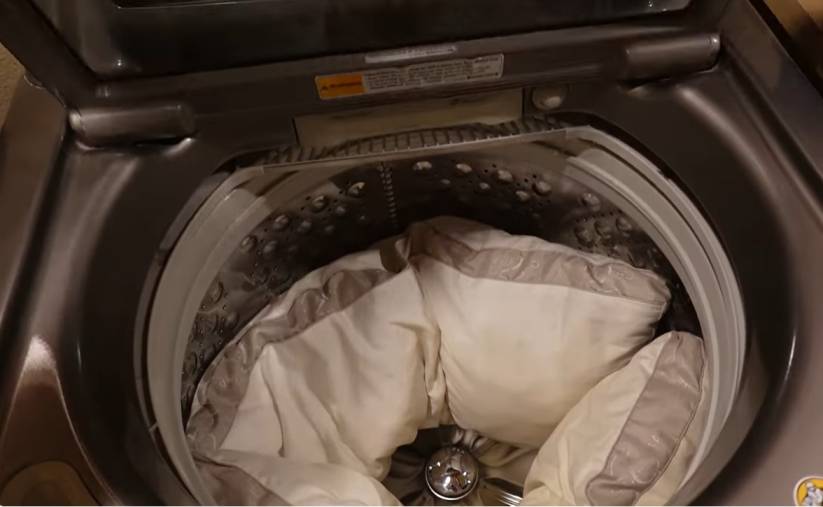
Why You Should Wash Your Pillows
Pillows absorb more than you might think. Over time, they collect:
- Sweat and Body Oils: These cause yellow stains and odors.
- Dead Skin Cells: These attract dust mites, which can trigger allergies.
- Dust and Allergens: These reduce air quality and affect sleep.
- Bacteria and Fungi: These thrive in damp or unwashed pillows.
According to the American Cleaning Institute, pillows should be washed every 3 to 6 months to remove these contaminants. Regular cleaning not only improves hygiene but also prevents premature wear, saving you from frequent replacements.
For those with allergies, asthma, or pets, washing pillows more often (e.g., every 3 months) can reduce symptoms and improve sleep quality.
Note: If you need any other washing accessories look here
| # | Preview | Product | |
|---|---|---|---|
| 1 |

|
Ubbi Vertical Baby Bottle Drying Rack, Space... | Check Price Here |
| 2 |
![[2 Pack] Leg Strap for Nintendo Switch/Switch...](https://m.media-amazon.com/images/I/41K89txo47L._SL160_.jpg)
|
[2 Pack] Leg Strap for Nintendo Switch/Switch... | Check Price Here |
| 3 |

|
AMVR Face Cushion Pad Replacement Compatible... | Check Price Here |
| 4 |

|
VR Cover for Valve Index - Washable Hygienic... | Check Price Here |
Types of Pillows and Their Washing Requirements
Before washing, identify your pillow’s material, as cleaning methods vary:
- Synthetic (Polyester/Fiberfill): Most are machine-washable on a gentle cycle with warm or cold water.
- Down or Feather: Machine-washable with cool water and mild detergent, but avoid fabric softeners, which reduce loft.
- Cotton: Typically machine-washable, similar to synthetic pillows.
- Memory Foam or Latex: Not machine-washable; hand-wash or spot-clean to prevent damage.
- Buckwheat: Remove filling and wash the casing separately; air out the buckwheat in sunlight.
- Wool: Hand-wash with cool water and gentle detergent; avoid bleach.
Always check the care label for manufacturer instructions. If the label is missing, follow the general guidelines below but proceed cautiously.
How to Wash Pillows in a Washing Machine: Step-by-Step Guide
For machine-washable pillows (synthetic, down, feather, cotton), follow these steps to ensure a thorough, safe clean.
Step 1: Check the Care Label
- Locate the care label on the pillow’s seam.
- Confirm it’s machine-washable and note any specific instructions (e.g., water temperature, cycle type).
- If it says “Dry Clean Only” or “Hand Wash Only,” skip machine washing and refer to the hand-washing section below.
Step 2: Inspect and Prepare the Pillow
- Remove Covers: Take off pillowcases, shams, or zip-on protectors. Wash these separately on a normal cycle with warm or hot water.
- Check for Damage: Look for rips or tears in the pillow fabric. Repair small tears with a needle and thread to prevent filling leakage.
- Pre-Treat Stains: For yellow stains (sweat, oils) or other marks, dab an enzyme-based stain remover or a small amount of liquid detergent onto the area. Work it in with a soft-bristled brush and let it sit for 10–15 minutes.
Step 3: Load the Washing Machine
- Balance the Load: Wash two pillows at a time to keep the machine balanced, ensuring effective cleaning and spinning. If washing one pillow, add 2–3 heavy cotton towels to balance the load.
- Machine Type: Use a front-loader or top-loader without an agitator for gentler washing. If using a top-loader with an agitator, place pillows vertically to minimize damage and agitate for only 1–2 minutes on the gentle cycle.
Step 4: Select Settings and Add Detergent
- Cycle: Choose the gentle or delicate cycle to reduce agitation and protect the pillow’s structure.
- Water Temperature: Use cold or warm water (per the care label) to prevent filling from clumping or shrinking. Hot water (140°F or higher) can kill dust mites but may damage some materials, so check the label.
- Detergent: Add 1–2 teaspoons of low-sudsing, fragrance-free liquid detergent (e.g., Tide, Charlie’s Soap). Avoid fabric softeners, as they can coat fillings and reduce fluffiness.
- Optional Additives: For extra freshness, add ½ cup of white vinegar to the detergent dispenser. For whitening, use a small amount of oxygen-based bleach (not chlorine bleach) if the care label allows.
Step 5: Run the Wash
- Start the machine and let it complete the gentle cycle.
- Add an extra rinse cycle to ensure all detergent is removed, preventing residue buildup.
- If the pillows are heavily soiled, pause the machine after a few minutes of agitation and let them soak for 1–2 hours before continuing.
Step 6: Remove and Prepare for Drying
- Gently remove pillows from the washer and press (don’t wring) to expel excess water.
- Shake and fluff the pillows to redistribute the filling and prevent clumping.
Drying Machine-Washable Pillows
Proper drying is crucial to avoid mildew and maintain pillow shape.
Step 7: Load the Dryer
- Place two pillows in the dryer to balance the load.
- Add 2–3 dryer balls or clean tennis balls (in socks) to fluff the filling and prevent clumping.
- Ensure the dryer has enough space for pillows to tumble freely.
Step 8: Select Drying Settings
- Synthetic Pillows: Use a low or medium heat setting.
- Down/Feather Pillows: Use a no-heat or air-fluff setting to protect delicate fillings.
- Check the care label for specific drying instructions.
Step 9: Dry Thoroughly
- Run the dryer for 1–2 cycles, checking every 15–20 minutes to fluff pillows by hand and ensure even drying.
- Pillows must be completely dry to prevent mold or mildew. This may take 1–3 hours, depending on the pillow type and dryer.
- After drying, let pillows air-dry for a few hours in a well-ventilated area to ensure no moisture remains.
Alternative: Air-Drying
- If the care label prohibits tumble drying or you prefer air-drying, place pillows on a flat surface (e.g., drying rack, towels) in a sunny, low-humidity area.
- Fluff and turn pillows every few hours to promote even drying and prevent clumping.
- Air-drying may take 24–48 hours, especially for dense fillings.
Learn More: Best Anti-Vibration Pads for Washing Machines
Best Drain Cleaners for Washing Machine Drains
How to Clean Non-Machine-Washable Pillows (Memory Foam, Latex)
Memory foam and latex pillows require hand-washing or spot-cleaning to avoid damage from machine agitation.
Hand-Washing Memory Foam or Latex Pillows
- Remove Covers: Take off pillowcases and protectors; wash these separately in the machine.
- Prepare Solution: Fill a clean bathtub or basin with lukewarm water. Add 1 tablespoon of mild liquid detergent and ½ cup of white vinegar for odor control. Stir to mix.
- Clean the Pillow: Submerge the pillow and gently squeeze or press to work the solution through. Focus on stained areas, using a soft brush for targeted cleaning. Avoid wringing or twisting.
- Rinse Thoroughly: Drain the soapy water and refill with clean water. Squeeze gently to rinse until no suds remain.
- Remove Excess Water: Press (don’t wring) to expel water. Lay the pillow on clean towels and press with another towel to absorb moisture.
- Air-Dry: Place the pillow on a flat surface in a well-ventilated, sunny area. Turn occasionally to ensure even drying, which may take 24–48 hours.
Spot-Cleaning Memory Foam or Latex Pillows
- For minor stains or quick freshening, mix 1 cup of warm water with a few drops of mild detergent.
- Dip a microfiber cloth in the solution, wring it out, and blot stained areas. Let sit for 10 minutes, then wipe with a clean, damp cloth.
- To deodorize, sprinkle baking soda on the pillow, let it sit for 1–2 hours, and vacuum with an upholstery attachment.
Maintenance Tips to Keep Pillows Fresh
Regular maintenance reduces the need for frequent deep cleaning:
- Use Pillow Protectors: Zip-on protectors shield pillows from sweat, oils, and dust mites. Wash protectors monthly in hot water.
- Change Pillowcases Weekly: Wash pillowcases with sheets to prevent dirt buildup.
- Fluff Daily: Shake and fluff pillows to maintain shape and remove dust.
- Air Out Monthly: Hang pillows outside on a sunny, breezy day or run them through a no-heat dryer cycle for 10–20 minutes to freshen.
- Avoid Wet Hair: Don’t sleep on pillows with wet hair to prevent moisture buildup.
Troubleshooting Common Pillow-Washing Issues
- Yellow Stains Persist: Pre-treat with a 1:1 vinegar-water solution before washing, or use oxygen-based bleach for machine-washable pillows.
- Clumping Filling: Fluff pillows during drying and add dryer balls to redistribute filling. If clumping persists, the pillow may be too old and need replacement.
- Odors Remain: Add ½ cup of baking soda or white vinegar to the wash cycle. For non-machine-washable pillows, vacuum and air out in sunlight.
- Pillow Feels Lumpy: Overwashing or improper drying may cause permanent damage. Replace pillows every 1–2 years if they lose support.
Product Recommendations
- Detergent: Better Life Natural Laundry Detergent or Charlie’s Soap Laundry Powder (fragrance-free, low-sudsing).
- Pillow Protectors: Coop Home Goods Waterproof Pillow Protector (hypoallergenic, machine-washable).
- Dryer Balls: Woolzies Wool Dryer Balls (eco-friendly, reusable).
- Washing Machine: TCL P808WDW Front-Loading Washer & Dryer (gentle cycle, large capacity).
When to Replace Your Pillows
Even with regular cleaning, pillows lose support over time. Replace them every 1–2 years if they:
- Feel lumpy or uncomfortable.
- Have persistent stains or odors.
- No longer provide adequate neck support.
Frequently Asked Questions About Washing Pillows
Q: How often should I wash my pillows?
A: Wash pillows every 3–6 months, or more often if you have allergies, pets, or sweat heavily.
Q: Can I wash decorative or throw pillows?
If the cover is removable, wash it per the care label. Inserts may be machine-washable (e.g., polyester) or require spot-cleaning (e.g., foam). Check the label.
Q: Is it safe to use bleach on pillows?
Avoid chlorine bleach, as it can damage fibers. Use oxygen-based bleach sparingly for whitening, only if the care label permits.
Q: Can I wash buckwheat pillows?
Empty the buckwheat filling into a container and set it in sunlight to deodorize. Wash the casing in cold water and air-dry.
Q: What if my washing machine has an agitator?
Place pillows vertically and use a gentle cycle for 1–2 minutes to minimize damage. Alternatively, use a laundromat’s front-loader.
Conclusion
Washing pillows in a washing machine is a simple way to maintain a clean, healthy sleep environment, but it requires attention to detail.
By checking care labels, using gentle settings, and drying thoroughly, you can keep your pillows fresh and fluffy. For non-machine-washable pillows, hand-washing or spot-cleaning ensures longevity.
Incorporate regular maintenance, like using protectors and fluffing daily, to extend your pillows’ lifespan.
With these tips, you’ll enjoy a fresher, more comfortable sleep every night.