
Summer driving becomes unbearable when direct sunlight transforms your vehicle interior into a literal oven. Dashboard temperatures soar beyond 180 degrees while upholstery fades from constant ultraviolet exposure. Modern ceramic technology offers practical solutions protecting both comfort and vehicle value simultaneously.
The best auto tint for heat reduction blocks infrared radiation while maintaining optical clarity and allowing visible light transmission. Advanced nanoparticle engineering creates films that reject heat without affecting signal reception or nighttime visibility.
| Preview | Product | |
|---|---|---|

|
MotoShield Pro 70% VLT Nano Ceramic Window... | Check Price Here |

|
MotoShield Pro 15% VLT Nano Ceramic Window... | Check Price Here |
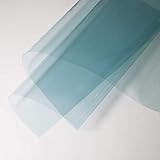
|
SW Nano Ceramic Car Window Film 99% Anti UV... | Check Price Here |
|
|
Nano Ceramic Car Front Window Film 99% Anti... | Check Price Here |

|
Vepagoo 5% VLT Ceramic Car Window Tint Film... | Check Price Here |

|
ARANA 5% VLT 20"×10FT Ceramic Car Window... | Check Price Here |
Traditional dyed films fade quickly while metallic alternatives interfere with electronics creating frustrating connectivity problems. Quality ceramic tints solve these issues through innovative material science providing lasting performance.
How Impact Best Auto Tint for Heat Reduction
Infrared radiation passes through untinted glass heating everything inside your vehicle relentlessly. Window films containing ceramic particles physically block these wavelengths before they penetrate interiors. The result creates measurable temperature differences of 20 to 30 degrees during peak sunlight hours.
Air conditioning systems work substantially harder compensating for solar heat gain through windows. Reduced thermal load allows climate control to maintain comfortable temperatures using less energy. Fuel economy improves slightly while engine strain decreases during hot weather operation periods.
Ultraviolet rays cause permanent damage to leather, vinyl, plastics, and fabric materials over time. Premium tints block 99 percent of UV wavelengths preventing fading, cracking, and deterioration. Interior components maintain original appearance and value for years beyond what untinted vehicles experience.
Glare reduction significantly improves driving safety by minimizing eye strain during bright conditions. Direct sunlight no longer blinds drivers during sunrise and sunset commutes. Enhanced visibility translates into reduced accident risks and more comfortable extended driving sessions.
What is Best Auto Tint for Heat Reduction
Ceramic technology represents the pinnacle of window film engineering balancing heat rejection with visibility. Nanoparticles embedded throughout film layers block infrared wavelengths without metallic content affecting signals. This advanced construction costs more initially but delivers superior performance and longevity.
Carbon films provide mid-range heat rejection at affordable prices for budget-conscious buyers. Dyed films offer basic UV protection and appearance enhancement without significant thermal benefits. Understanding these material differences helps match products to specific requirements and budget constraints effectively.
Visible light transmission percentages determine how dark films appear affecting both aesthetics and legality. Lower VLT numbers like five percent create very dark privacy tinting while 50 to 70 percent maintains factory appearance. Local regulations typically restrict front window darkness requiring research before purchasing and installing.
Professional installation ensures proper application without bubbles, creases, or edge lifting problems. DIY kits save money but demand patience, skill, and appropriate tools for acceptable results. Some films ship precut to specific vehicle dimensions while others require careful measuring and trimming.
- MotoShield Pro 70% Ceramic
- MotoShield Pro 15% Ceramic
- SW Nano Ceramic 80%
- Nano Ceramic Front 80%
- Vepagoo 5% Ceramic Film
- ARANA 5% Nano Ceramic
- AE Quality Nano Ceramic
Comparison Table of Best Auto Tint for Heat Reduction
| Tint Name | VLT Percentage | UV Rejection |
|---|---|---|
| MotoShield Pro 70% | 70% VLT | 99.9% UV |
| MotoShield Pro 15% | 15% VLT | 99.9% UV |
| SW Nano Ceramic | 80% VLT | 99% UV |
| Nano Ceramic Front | 80% VLT | 99% UV |
| Vepagoo 5% Ceramic | 5% VLT | 99% UV |
| ARANA 5% Nano | 5% VLT | 99% UV |
| AE Quality Nano | 91% IR Block | 99% UV |
9 Best Auto Tint for Heat Reduction [Tested & Reviewed]
MotoShield Pro 70% VLT Nano Ceramic Film
MotoShield Pro 70% VLT Nano Ceramic Window...
Engineered specifically for front windshield applications where legal requirements demand higher visible light transmission. Advanced ceramic nanoparticles reject up to 99 percent of infrared heat radiation without darkening glass noticeably. This remarkable combination allows maximum heat rejection while maintaining clear forward visibility during all driving conditions.
The 70 percent VLT specification complies with most state regulations for windshield tinting applications. Professional-grade 2-ply construction provides scratch resistance and dimensional stability throughout the installation process. Interior temperatures drop up to 25 degrees Fahrenheit compared to untinted windshields during testing.
Non-metallic composition ensures GPS, cellular signals, and radio reception remain completely unaffected by installation. Easy shrinking characteristics accommodate curved windshield contours without excessive heating or manipulation. Included installation manual and video tutorials guide DIY enthusiasts through successful application procedures.
Eight years of manufacturing experience shows through consistent product quality and customer support services. Every roll ships with detailed instructions enabling confident installation by motivated vehicle owners. The total solar energy rejected reaches 70 percent despite allowing most visible light transmission.
Top Features:
- Up to 99% heat rejection blocks infrared radiation keeping interiors cooler
- 70% VLT specification complies with most windshield tinting regulations
- Non-metallic ceramic construction maintains clear signal reception
- 2-ply scratch-resistant design ensures long-lasting appearance
- Tested 25-degree temperature reduction in direct sunlight
“This car window tint film blocks up to 99% of infrared heat radiation from entering your vehicle, tested to cool your interior by up to 25 degrees Fahrenheit while offering maximum 70% total solar energy rejected.”
MotoShield Pro 15% VLT Privacy Tint
MotoShield Pro 15% VLT Nano Ceramic Window...
Delivering maximum privacy alongside exceptional heat rejection creates the perfect side and rear window solution. The darker 15 percent visible light transmission provides one-way visibility during daytime hours. Ceramic technology blocks 99 percent of infrared heat while preventing 99.9 percent of harmful ultraviolet rays completely.
Professional-quality 2-mil thickness simplifies handling during installation without sacrificing structural durability afterward. The ultra-thin profile conforms to curved glass surfaces using minimal heat application. Interior cooling reaches 25 degrees lower compared to untinted windows during peak summer conditions.
Advanced nanoparticle engineering eliminates metallic content preventing interference with modern vehicle electronics. Bluetooth connectivity, satellite radio, GPS navigation, and cellular signals function normally after installation. Glare reduction significantly improves comfort during bright driving conditions throughout the day.
Small business manufacturing ensures personal attention to quality control and customer satisfaction. Detailed installation videos demonstrate professional techniques accessible to motivated DIY installers. The product ships with comprehensive instructions covering every step of successful window film application.
Top Features:
- 15% VLT darkness provides excellent daytime privacy and heat rejection
- 99% infrared blocking reduces interior temperatures up to 25 degrees
- Non-metallic formula preserves all electronic signal reception perfectly
- 2-mil thickness enables easy DIY installation on curved glass
- 99.9% UV protection prevents interior fading and skin damage
“Professional heat blocking window film provides superior defense against extreme intense high temperatures, offering maximum 70% total solar energy rejected with easy DIY shrink installation process.”
SW Nano Ceramic 80% Front Window Film
SW Nano Ceramic Car Window Film 99% Anti UV...
Maximizing visible light transmission while rejecting substantial heat creates ideal front window protection. The impressive 80 percent VLT maintains factory-like clarity exceeding most legal requirements nationwide. Nano-ceramic technology absorbs and dissipates infrared radiation through advanced heat exchange principles.
Two-ply construction with scratch-resistant coating ensures years of pristine appearance without degradation. The 2-mil thickness simplifies installation procedures for DIY enthusiasts attempting first-time applications. Infrared rejection reaches 90 to 95 percent despite allowing most visible light through.
Non-metallized composition guarantees uninterrupted cellular, GPS, WiFi, and radio signal transmission after installation. Total solar energy rejection reaches 46 percent providing measurable cooling without excessive darkening. Glare reduction of 19 percent improves comfort during sunrise and sunset driving conditions.
PET self-adhesive material bonds securely to glass surfaces using simple water-based installation techniques. Detailed step-by-step instructions guide users through measuring, trimming, and application procedures successfully. The 20-inch by 16.5-foot roll provides sufficient material for most vehicle front window applications.
Top Features:
- 80% VLT clarity maintains excellent visibility while blocking heat effectively
- 90-95% infrared rejection prevents heat buildup without excessive darkening
- 99% UV protection shields skin and interior from harmful radiation
- Non-metallic formula ensures undisrupted signal reception from devices
- 2-ply scratch-resistant coating maintains pristine appearance for years
“Adopting nano-ceramic film technology that absorbs sputtering sunlight and exchanges heat, so when the vehicle moves it has a more advantageous heat dissipation effect creating comfortable interior environment.”
Nano Ceramic Front Windshield 80% Film
Nano Ceramic Car Front Window Film 99% Anti...
Combining exceptional clarity with professional-grade heat rejection creates perfect front windshield protection. The transparent 80 percent visible light transmission exceeds legal requirements throughout most jurisdictions. Advanced ceramic particles embedded throughout the film structure block 90 to 95 percent of infrared wavelengths.
Two-ply design with scratch-resistant hardness rating above 2H maintains optical quality indefinitely. Total solar energy rejected reaches 46 percent providing measurable interior cooling benefits. Glare reduction of 19 percent enhances driving comfort during bright conditions throughout daytime hours.
Installation procedures follow simple steps including trimming, cleaning, wetting, and squeegeeing away bubbles. The 60-inch by 3.3-foot roll dimensions accommodate various windshield sizes with minimal waste. Quick tips included with instructions help beginners achieve professional-looking results.
Nano-ceramic principle absorbs heat initially then dissipates it effectively when vehicles move. Some customers notice film warmth mistaking it for poor quality when actually it demonstrates proper function. Non-metallized construction ensures cellular phones, GPS navigation, and radio reception remain completely unaffected.
Top Features:
- 80% VLT transparency maintains clear visibility meeting legal requirements
- 90-95% IR rejection blocks infrared heat without excessive darkening
- 99% UV blocking protects skin and prevents interior component fading
- 2-ply scratch-resistant construction ensures long-lasting optical clarity
- 60-inch width accommodates large windshield applications in single piece
“Car window tint film effectively blocks out 99% of UV rays protecting your skin and preventing your car seat from aging and fading while effectively blocking sun heat creating comfortable interior environment.”
Vepagoo 5% VLT Ceramic Privacy Film
Vepagoo 5% VLT Ceramic Car Window Tint Film...
Maximum privacy protection combines with professional heat rejection in this ultra-dark ceramic formulation. The five percent visible light transmission creates one-way visibility during daytime providing complete interior concealment. Ceramic particles block most visible light alongside ultraviolet and infrared wavelengths comprehensively.
Scratch-resistant ceramic material ensures explosion-proof safety characteristics protecting occupants during accidents. The five-layer construction maintains structural integrity through years of environmental exposure. Modern appearance transforms vehicle aesthetics while providing functional thermal and privacy benefits.
Nano-ceramic technology surpasses traditional films in heat insulation, UV protection, HD vision, and service life. Advanced nanotechnology incorporates tiny ceramic nanoparticles throughout the film structure. Non-metallic composition preserves GPS, WiFi, Bluetooth, and cellular signal reception completely.
Professional support includes 24-hour customer service and 18-month replacement warranty coverage. Installation manual and video guides assist DIY installers achieving professional results. The 24-inch by 15-foot dimensions provide adequate coverage for most vehicle side and rear windows.
Top Features:
- 5% VLT darkness provides maximum privacy and heat rejection
- Ceramic nanoparticles deliver superior heat and UV insulation
- Scratch-resistant coating ensures long-lasting appearance and durability
- Explosion-proof safety protects occupants during impact situations
- 18-month warranty backs product with replacement support
“Vepagoo ceramic car window tint can effectively block most of visible light, UV and IR rays plus excessive heat, excellent choice for skin protection and stopping your car interior from aging and fading.”
ARANA 5% Nano Ceramic Window Tint
ARANA 5% VLT 20"×10FT Ceramic Car Window...
Professional-grade nano ceramic technology delivers exceptional performance for demanding automotive applications. The five percent VLT provides maximum privacy alongside superior heat rejection and UV protection. Advanced nanotechnology incorporates tiny ceramic nanoparticles creating film superior to traditional alternatives significantly.
Heat and UV insulation exceeds conventional films while maintaining HD vision and anti-glare characteristics. Service life extends beyond typical products through advanced material engineering and construction techniques. The 20-inch by 10-foot dimensions accommodate most vehicle side window applications perfectly.
Installation guidance includes detailed video tutorials demonstrating professional application techniques step by step. Twenty-four hour customer service provides immediate assistance for questions or concerns during installation. Eighteen-month replacement support protects against manufacturing defects or quality issues.
Scratch-resistant coating maintains pristine appearance through years of regular use and environmental exposure. Explosion-proof characteristics provide additional safety during accident scenarios protecting vehicle occupants. Non-metallic composition ensures GPS navigation, cellular signals, and Bluetooth connectivity function normally.
Top Features:
- Nano ceramic technology incorporates tiny particles for superior performance
- 99% UV and heat blocking provides excellent interior protection
- HD vision quality maintains optical clarity despite dark appearance
- Anti-glare properties reduce eye strain during bright conditions
- 18-month support includes replacement and customer service assistance
“Nano ceramic tint using advanced nanotechnology to incorporate tiny ceramic nanoparticles into the structure making it superior to traditional car tints in terms of heat and UV insulation, HD vision, anti-glare and service life.”
AE Quality Tools Nano Ceramic Film
Professional-grade nano cool technology blocks up to 91 percent of all infrared heat wavelengths. Multiple shade options including 70, 35, 20, and five percent accommodate various applications and preferences. Vehicle performance improves through reduced air conditioning load saving fuel and reducing engine burden.
Sophisticated black appearance provides timeless classic aesthetic enhancing any vehicle style. The subtle appealing design complements modern and vintage automobiles equally well. Available in multiple VLT percentages for all automotive, home, or commercial applications.
Superior heat rejection reaches 99 percent infrared blocking alongside 99 percent UV protection. The 36-inch by 10-foot roll dimensions provide adequate material for most vehicle projects. Efficient vehicle performance results from reduced thermal load on climate control systems.
Professional installation yields best results though DIY application remains possible with patience. The nano ceramic formulation maintains signal clarity for cellular, GPS, and radio reception. Multiple shade options allow customizing appearance while maintaining heat rejection characteristics.
Top Features:
- 91% infrared blocking provides exceptional heat reduction performance
- Multiple shade options available in 70%, 35%, 20%, and 5% VLT
- 99% UV protection prevents interior fading and skin damage
- Professional appearance enhances vehicle aesthetics with black finish
- 36-inch width accommodates most automotive window applications
“Nano Cool blocks up to 91% of all infrared heat, your vehicle will perform better and more efficiently saving up on fuel and not adding burden to your engine with professional sophisticated look.”
Frequently Asked Questions
What percentage best auto tint for heat reduction works for front windshields?
Front windshield tinting requires balancing heat rejection against legal visible light transmission requirements. Most states mandate minimum 70 to 80 percent VLT for windshields maintaining clear forward visibility. Ceramic films in these ranges block substantial infrared radiation without violating local regulations.
Nano-ceramic technology enables blocking 90 to 99 percent of infrared heat while allowing 70 to 80 percent visible light transmission. This remarkable combination provides measurable cooling without compromising safety or legal compliance. Traditional films cannot achieve this performance level making ceramic essential for windshield applications.
Always research your specific state regulations before purchasing windshield tint film. Some jurisdictions prohibit any windshield tinting except manufacturer visor strips. Others allow specific VLT percentages requiring careful product selection. Consulting local law enforcement or inspection stations clarifies requirements preventing expensive mistakes.
Consider that windshield tinting delivers the most significant cooling benefits since it represents the largest glass area. Front windows face direct sunlight during most driving conditions generating substantial heat gain. Quality ceramic windshield film transforms interior comfort dramatically during summer driving conditions.
How long does best auto tint for heat reduction film last before replacement?
Premium ceramic window films maintain performance characteristics for 10 to 15 years under normal conditions. Quality manufacturing using stable materials prevents fading, bubbling, or peeling throughout this lifespan. Proper installation and care extend longevity while poor application shortens it significantly.
Dyed films fade within three to five years as ultraviolet exposure degrades color pigments. Carbon films last longer reaching seven to 10 years before showing performance degradation. Ceramic technology provides maximum durability justifying higher initial investment through extended service life.
Environmental factors including intense sunlight, extreme temperatures, and humidity affect degradation rates. Desert climates accelerate wear while moderate conditions preserve films longer. Window operation frequency influences edge wear where seals contact film surfaces repeatedly.
Watch for edge lifting, bubbling, discoloration, or reduced heat rejection indicating replacement needs. Quality films under warranty may qualify for replacement if defects appear prematurely. Regular cleaning using appropriate products and techniques preserves appearance extending practical service life.
Can I install best auto tint for heat reduction myself or need professional help?
DIY installation saves substantial money but demands patience, skill, and appropriate tools for success. Flat side windows prove easiest for beginners while curved windshields challenge even experienced installers. Many enthusiasts successfully tint their vehicles following detailed instructions and video tutorials.
Professional installation guarantees bubble-free application with proper edge sealing and trimming. Experienced technicians complete jobs faster using specialized tools and refined techniques. The cost typically ranges from 200 to 600 dollars depending on vehicle size and film quality.
Consider attempting DIY installation on rear side windows first gaining experience before tackling windshields. Mistakes prove less visible and costly on smaller windows allowing learning without expensive consequences. Success builds confidence for more challenging applications.
Required tools include spray bottles, squeegees, heat guns, sharp blades, and proper cleaning solutions. Most ceramic films include basic tools and instructions simplifying the process. Allocating several hours per window accounts for careful preparation and application procedures.
Does best auto tint for heat reduction interfere with electronic signals or devices?
Metallic window films contain aluminum or metal particles blocking cellular, GPS, and radio signals. This interference creates frustrating connectivity problems affecting modern vehicle systems. Older tinting technology sacrificed electronics functionality for heat rejection performance.
Ceramic films use non-metallic nanoparticles providing superior heat rejection without signal interference. Cellular phones, satellite navigation, Bluetooth connectivity, and radio reception function normally after installation. This advantage makes ceramic essential for modern vehicles relying on wireless technologies.
Carbon films also avoid signal blocking issues using carbon particles instead of metallic content. However, carbon provides less heat rejection compared to ceramic alternatives. Budget constraints sometimes justify carbon despite inferior thermal performance.
Always verify product specifications confirm non-metallic construction before purchasing window film. Manufacturers clearly state signal transparency in product descriptions. Reading customer reviews reveals real-world experiences with specific products and potential connectivity issues.
What is the difference between ceramic and carbon best auto tint for heat reduction?
Ceramic films use advanced nanoparticles providing superior infrared heat rejection compared to carbon alternatives. This technology blocks 90 to 99 percent of infrared wavelengths while maintaining excellent optical clarity. Ceramic construction costs more but delivers unmatched performance and longevity.
Carbon films incorporate carbon particles providing mid-range heat rejection at lower prices. They block substantial UV radiation and some infrared heat without metallic signal interference. Carbon represents excellent value for budget-conscious buyers accepting slightly less performance.
Ceramic technology maintains color stability indefinitely while carbon may fade slightly over extended periods. Both options surpass dyed films dramatically in durability and heat rejection capabilities. Neither interferes with electronic signals making them suitable for modern vehicles.
Heat rejection differences become noticeable during extreme summer conditions when every percentage matters. Ceramic films keep interiors measurably cooler requiring less air conditioning operation. Carbon provides adequate cooling for moderate climates without ceramic’s premium pricing.
How dark should best auto tint for heat reduction be for maximum cooling?
Darkness and heat rejection represent separate characteristics though many assume they correlate directly. Ceramic technology blocks infrared radiation regardless of visible light transmission percentage. A 70 percent VLT ceramic film rejects more heat than five percent dyed film.
Five to 15 percent VLT films provide maximum privacy alongside heat rejection for rear windows. These dark shades work well for side and rear applications where regulations permit. Front windows typically require 35 to 50 percent VLT balancing visibility with performance.
Consider that excessively dark tinting reduces nighttime visibility potentially creating safety hazards. Choosing appropriate darkness levels for each window optimizes both function and appearance. Windshields demand lightest tints while rear windows accommodate darkest applications.
Local regulations restrict window darkness levels requiring research before selecting products. Most states allow darker rear window tinting than front windows. Violations result in citations requiring tint removal wasting money and time.
Will best auto tint for heat reduction void my vehicle warranty or insurance coverage?
Factory warranties rarely cover window tinting since it represents aftermarket modification not affecting mechanical systems. However, improper installation potentially damages window mechanisms or electronics voiding related warranty claims. Professional installation minimizes these risks protecting warranty coverage.
Insurance companies typically don’t restrict window tinting within legal darkness limits for your jurisdiction. Excessively dark illegal tinting might complicate claims if visibility contributed to accidents. Maintaining legal compliance protects both insurance coverage and avoids citations.
Some luxury manufacturers void warranties if unauthorized modifications alter vehicle specifications. Consulting dealer service departments clarifies specific policies before proceeding with installations. Documentation of professional installation sometimes satisfies warranty requirement concerns.
Leased vehicles may prohibit permanent modifications including window tinting without lessor permission. Reviewing lease agreements prevents expensive violations requiring tint removal and potential penalties. Removable window shades offer alternatives for temporary heat reduction needs.
Can best auto tint for heat reduction be removed if I change my mind later?
Professional removal services extract window film without damaging glass or defrosters when performed correctly. Experienced technicians use steamers and specialized tools separating adhesive from glass surfaces. The process typically costs 100 to 200 dollars depending on vehicle size.
DIY removal proves possible using heat guns, ammonia solutions, and razor blades carefully applied. Patience prevents glass scratching or defroster grid damage during removal procedures. Adhesive residue requires additional cleaning using appropriate solvents and techniques.
Quality films typically remove cleaner than cheap alternatives leaving minimal adhesive residue. Ceramic and carbon films generally extract easier than older dyed products. Age affects removal difficulty with older installations bonding more tenaciously.
Consider removal necessity before installation since it represents additional expense and effort. However, knowing films can be removed provides flexibility for changing preferences. Selling vehicles with quality tinting often increases value offsetting installation costs.
How much does professional best auto tint for heat reduction installation typically cost?
Professional installation pricing varies based on vehicle size, film quality, and regional labor rates. Compact sedans typically cost 200 to 400 dollars while large SUVs reach 400 to 600 dollars. Premium ceramic films command higher prices reflecting superior material costs.
Budget carbon films installed professionally range from 150 to 300 dollars for average vehicles. Mid-range ceramic installations cost 300 to 500 dollars providing excellent performance value. Top-tier ceramic with lifetime warranties reaches 500 to 800 dollars for complete vehicle coverage.
Front windshield tinting adds 150 to 300 dollars to total costs due to installation complexity. Curved glass requires more skill and time than flat side windows. Some installers charge per window while others quote complete vehicle packages.
Mobile installation services visit your location adding convenience sometimes increasing prices slightly. Shop installations typically cost less but require leaving vehicles at facilities. Comparing multiple quotes ensures fair pricing for quality materials and workmanship.
Final Thoughts
Protecting your vehicle interior while improving comfort requires thoughtful window film selection and proper installation. Ceramic technology delivers unmatched heat rejection justifying premium pricing through superior performance and longevity. The best auto tint for heat reduction combines infrared blocking with UV protection maintaining optical clarity.
MotoShield Pro ceramic films provide excellent DIY-friendly options across multiple VLT percentages. Their eight years of manufacturing experience shows through consistent quality and comprehensive installation support. Budget-conscious buyers find exceptional value in SW and Vepagoo ceramic products.
ARANA nano ceramic films deliver professional performance with outstanding customer support and warranty coverage. AE Quality Tools offers versatile solutions suitable for automotive, residential, and commercial applications. Match your selection to specific needs considering legal requirements, privacy preferences, and installation confidence.
Professional installation guarantees optimal results while DIY approaches save money for skilled enthusiasts. Whichever path you choose, quality ceramic window film transforms summer driving comfort dramatically. Investment in proper heat-rejecting tint protects both vehicle value and occupant comfort for years ahead.