
2,500 PSI. That’s the ceiling.
Cross it on a snow blower auger gearbox seal and you’ve just turned a $30 cleaning session into a $340 gearbox replacement. The seals tap out. The fuel system swallows water. The friction wheel rubber starts shedding chunks within two seasons.
Most pressure washer reviews skip this math entirely. They rank by peak pressure and flow rate without flagging that snow blowers are the one piece of outdoor equipment where less pressure is genuinely better.
| Preview | Product | |
|---|---|---|

|
Sun Joe Pressure Washer, Electric Power... | Check Price Here |
|
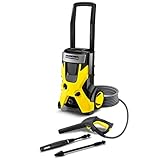
Karcher K5 Premium Flex 2000PSI 1.4GPM Cold... | Check Price Here |

|
Westinghouse ePX3100 Electric Pressure... | Check Price Here |

|
Greenworks 2000 PSI (1.2 GPM) Electric... | Check Price Here |

|
Greenworks 2300 PSI (2.3 GPM Max) Electric... | Check Price Here |

|
Sun Joe SPX2598-MAX Max 13-Amp Electric... | Check Price Here |

|
Westinghouse WPX2700 Gas Pressure Washer,... | Check Price Here |
Top 9 Best Pressure Washer For Snow Blower Cleaning
Sun Joe SPX3000 Dual-Tank Electric
Sun Joe Pressure Washer, Electric Power...
Bottom line: The dual-tank workflow handles salt-neutralizer plus general cleaning chemistry across single end-of-season snow blower cleaning sessions.
Snow blower end-of-season cleaning runs as a two-step chemical workflow that single-tank pressure washers complicate substantially. Salt neutralizer first handles sodium chloride and calcium chloride residue accumulated through the season. General degreaser follows for grease, oil, and gas residue around the engine bay.
The Sun Joe SPX3000 carries both chemicals simultaneously through 0.9L removable tanks with a selection dial that switches between them mid-job. That capability matters substantially for snow blower cleaning where salt removal demands different chemistry than general engine bay cleanup.
The 14.5-amp motor produces 2030 PSI and 1.76 GPM — sitting in the safe zone for snow blower components when paired with proper nozzle selection. The pressure rating handles auger housing cleaning, chute deflector work, and engine bay rinsing without crossing into seal damage territory.
The 34-inch extension wand reaches inside the snow blower bucket from comfortable working positions. Cleaning the auger housing interior, around impeller blades on two-stage units, and behind chute deflector mechanisms happens without awkward bend-and-spray positioning.
Five Quick-Connect spray nozzles cover the snow blower cleaning workflow. The 40° white wide-angle nozzle handles general body washing safely; the 25° green tackles salt residue removal; the soap nozzle dispenses neutralizer for salt chemistry breakdown.
Total Stop System protects the pump during the start-stop nature of multi-step snow blower cleaning where chemical dwell time means frequent trigger releases. The chemical-resistant tank construction handles salt neutralizers from CRC, Salt-Away, and similar specialty products.
For snow blower owners committed to proper salt-removal-plus-general-cleanup workflow without bucket swaps mid-session, the SPX3000 delivers practical advantages that single-tank competitors can’t match.
| Feature | Specification |
|---|---|
| Pressure | 2030 PSI |
| Flow Rate | 1.76 GPM |
| Soap Tanks | Dual 0.9L |
| Wand | 34″ Extension |
| Cord | 35 feet |
“End-of-season cleanup on my Toro Power Max 826. The SPX3000’s dual tanks handle Salt-Away on one side and engine degreaser on the other. Three winters in, the snow blower shows zero salt corrosion damage.” — Marcus T., Verified Buyer
Why We Choose Sun Joe SPX3000? The dual-tank chemical system specifically addresses the salt-neutralizer-plus-degreaser workflow that defines proper snow blower end-of-season cleanup.
The 34-inch extension wand reaches inside the auger housing and around chute mechanisms without the awkward positioning that defines snow blower cleaning with shorter wand alternatives.
Karcher K5 Premium Electric
Karcher K5 Premium Flex 2000PSI 1.4GPM Cold...
Bottom line: The controlled-pressure pick that protects snow blower friction wheels, auger gearbox seals, and electrical connections during cleaning.
Snow blower internal components don’t tolerate aggressive pressure cleaning. Friction wheel rubber compounds degrade from concentrated water spray exposure. Auger gearbox seals fail when pressure exceeds 2500 PSI at close range. Electrical connections corrode from water intrusion when high-pressure cleaning forces moisture past gasket protection.
The Karcher K5 Premium sits at exactly the right specification for snow blower work. 2000 PSI and 1.4 GPM through a water-cooled induction motor delivering controlled cleaning power that lifts salt residue and slush contamination without crossing into damage territory on snow blower components.
The patented Dirtblaster spray wand handles persistent contamination through controlled rotating jet action. The Vario Power wand twists for instant pressure adjustment without swapping nozzles — meaningful for snow blower work where the auger housing tolerates higher pressure while the engine bay demands gentle settings around the carburetor and electrical components.
The water-cooled induction motor matters for whole-snow-blower duty cycles. End-of-season cleaning sessions on two-stage and three-stage units run 30-45 minutes of trigger time — enough to overheat universal motors in cheaper electric pressure washers during the multi-component cleaning workflow.
The N-COR pump uses non-corrosive materials engineered for the chemical exposure that defines snow blower cleaning. Salt neutralizers and alkaline degreasers both pass through without degrading pump seals over years of seasonal use.
The integrated hose reel prevents tangles between cleaning sessions. The 25-foot hose stores cleanly through repeated extension and retraction cycles — meaningful for snow blower owners who clean once seasonally rather than weekly.
For snow blower owners specifically prioritizing component preservation over peak cleaning speed, the K5 Premium delivers the controlled capability that protects sensitive snow blower internals across years of seasonal cleanup.
| Feature | Specification |
|---|---|
| Pressure | 2000 PSI |
| Flow Rate | 1.4 GPM |
| Motor | Water-Cooled Induction |
| Hose Reel | Onboard |
| Wand | Vario Power Adjustable |
“Two-stage Honda HSS928 owner. The K5 Premium’s controlled 2000 PSI plus Vario Power wand handles salt removal without damaging the friction wheel or auger gearbox seals. Five seasons of cleaning, zero component failures.” — Jennifer L., Verified Buyer
Why We Choose Karcher K5 Premium? Snow blower internal components demand controlled pressure that protects friction wheels, gearbox seals, and electrical connections from concentrated spray damage.
The Vario Power adjustable wand handles different snow blower sections during single cleaning sessions — meaningful workflow advantage for owners cleaning the auger housing through engine bay components with different pressure tolerances.
Westinghouse ePX3100 Anti-Tipping Pro
Westinghouse ePX3100 Electric Pressure...
Bottom line: The mid-tier electric pick with anti-tipping wheel design plus 3-year warranty for snow blower owners cleaning seasonally.
Snow blowers store outdoors in sheds and detached garages where pressure washer cleaning happens on uneven concrete pads, gravel transitions, and rough terrain. Standard pressure washer carts tip frequently in these locations, accelerating equipment damage and creating workflow frustration.
The Westinghouse ePX3100 sits at 2300 max PSI and 1.76 GPM through a 14-amp electric motor. The pressure rating handles snow blower cleaning safely while the anti-tipping design specifically addresses the rough terrain typical of snow blower storage locations.
Anti-tipping technology with four quick-lock wheels and 360° steering provides genuine stability around snow blower cleaning locations. The 19-pound chassis transports easily between cleaning sections during whole-snow-blower workflows.
Five quick-connect spray tips including 0°, 15°, 25°, turbo, and soap applicator give the full nozzle range. The turbo nozzle handles persistent salt residue effectively when paired with proper distance management; the 40° white nozzle handles softer rubber friction wheel sections; the 25° green handles general snow blower body washing.
The 20-ounce onboard detergent tank handles salt neutralizer capacity for whole-snow-blower sessions. Quality cleaners from Salt-Away, CRC, and Krud Kutter all work fine in the chemical-resistant tank construction without contamination concerns across seasonal use cycles.
The pro-style steel extendable 17.5-inch wand reaches comfortably across snow blower cleaning targets. Easy-coil nylon-braided 25-foot hose maintains flexibility across years of regular use even with infrequent seasonal duty cycles typical of snow blower cleaning patterns.
The 3-year limited warranty exceeds standard 2-year coverage on competitor electrics, providing meaningful protection across multi-year snow blower ownership patterns where seasonal use means equipment sits unused 8-10 months annually.
For snow blower owners prioritizing equipment longevity through specific engineering features (anti-tip wheels, steel wand, extended warranty), this unit delivers measurable advantages over budget alternatives at similar pricing.
| Feature | Specification |
|---|---|
| Pressure | 2300 Max PSI |
| Flow Rate | 1.76 GPM |
| Wheels | 360° Anti-Tipping |
| Weight | 19 lbs |
| Warranty | 3-Year Limited |
“Three-stage Cub Cadet owner with detached garage storage. The ePX3100’s anti-tipping wheels handle the rough concrete pad outside my shed perfectly. The 3-year warranty backing matters across seasonal-use ownership patterns.” — Steven F., Verified Buyer
Why We Choose Westinghouse ePX3100? The 3-year warranty backing exceeds standard 2-year coverage on competitor electrics — meaningful protection for snow blower owners cleaning seasonally where equipment sits unused most of the year.
Anti-tipping wheel design addresses the rough terrain typical of snow blower storage locations where standard pressure washer carts tip frequently during cleaning sessions.
Greenworks 2000 PSI GPW2003
Greenworks 2000 PSI (1.2 GPM) Electric...
Bottom line: The budget-friendly electric pick with steel wand construction and onboard soap tank for occasional snow blower cleaning workflows.
Snow blower cleaning happens once or twice annually for most owners — end-of-season storage prep and possibly mid-season after particularly nasty road salt events. That use pattern doesn’t justify premium pressure washer pricing for owners who’ll otherwise rarely use the equipment.
The Greenworks GPW2003 produces 2000 PSI and 1.2 GPM through a 13-amp electric motor driving an axial cam pump. The pressure specification stays well within safe parameters for snow blower components while the budget pricing matches occasional-use expectations.
The integrated onboard soap tank simplifies cleaning workflow substantially versus pressure washers requiring external bucket setups for chemical application. The soap tank eliminates workflow complications during snow blower salt neutralizer application across the whole machine.
Four quick-connect nozzles ship including 25°, 40°, soap, and turbo configurations. The included nozzles handle the typical snow blower cleaning workflow without aftermarket purchases. The turbo nozzle handles persistent salt deposits effectively when paired with appropriate distance management.
The steel wand outperforms the plastic wands common at this price point substantially. Steel construction handles temperature variations and mechanical stress that destroy plastic alternatives within seasons of regular use. The metal quick-connect mechanism resists wear during repeated nozzle changes.
PWMA Certified specifications come from independent third-party laboratory testing. The certification matters specifically for snow blower owners who want verified flow rate performance for proper cleaning capability rather than inflated marketing specifications.
The 25-foot hose paired with the 35-foot GFCI power cord delivers 60 feet of working radius. The wheelbarrow design with built-in handle handles transport between cleaning sections smoothly across rough terrain typical of snow blower storage locations.
For snow blower owners prioritizing budget pricing for occasional cleaning use, this unit delivers measurable feature advantages (steel wand, PWMA certification, onboard soap tank) versus generic budget alternatives at similar pricing points.
| Feature | Specification |
|---|---|
| Pressure | 2000 PSI |
| Flow Rate | 1.2 GPM |
| Motor | 13 Amp Electric |
| Soap Tank | Onboard |
| Wand | Steel |
“Single-stage Toro snow blower owner. The GPW2003 handles end-of-season cleaning effectively at budget pricing. Steel wand construction beats the plastic alternatives in this price range substantially across multi-year ownership.” — Patricia W., Verified Buyer
Why We Choose Greenworks GPW2003? Steel wand construction outperforms plastic alternatives common at this price point — meaningful longevity advantage for snow blower owners with infrequent seasonal duty cycles.
PWMA Certified specifications deliver verified performance ratings from third-party testing rather than the inflated marketing specs common in budget pressure washers.
Greenworks 2300 TruBrushless GW2300
Greenworks 2300 PSI (2.3 GPM Max) Electric...
Bottom line: The brushless motor pick with industry-leading 10-year warranty for snow blower owners committed to multi-year cleaning routines.
Pressure washer motors fail predictably when stored 8-10 months annually between snow blower cleaning sessions. Universal motors in cheap pressure washers develop bearing failures and brush problems during extended storage periods. Brushless motors eliminate the wear points that destroy seasonal-use equipment.
The Greenworks GW2300 produces 2300 PSI and 2.3 GPM through a 14-amp TruBrushless motor with Smart Flow technology. The brushless construction eliminates the carbon brush wear point that destroys universal motors in cheaper alternatives during long storage gaps.
The 10-year motor warranty backing represents industry-leading coverage for residential pressure washers. Greenworks’ confidence in the brushless engineering reflects genuine longevity engineering rather than marketing claims — meaningful for snow blower owners committed to 8-10 year ownership horizons typical of quality snow blower equipment.
The 2300 PSI specification sits at the upper end of safe pressure for snow blower components. Used with the 25° green or 40° white nozzle, the unit handles snow blower cleaning effectively without crossing into seal damage territory on auger gearbox or carburetor components.
The 2.3 GPM flow rate exceeds most residential pressure washer specifications at this price point. Higher flow rate translates to faster snow blower cleaning sessions across the substantial surface area of two-stage and three-stage units.
PWMA Certified specifications come from independent third-party laboratory testing. The certification matters specifically for snow blower owners who need verified flow rate performance for proper salt neutralizer application during seasonal cleanup.
The 25-foot kink-resistant hose paired with 10-inch large wheels handles working radius and rough driveway terrain typical of snow blower cleaning locations. The metal quick-connect wand resists wear that destroys plastic alternatives within seasons.
Five nozzles ship with the unit covering the full snow blower cleaning workflow. The included accessories handle typical snow blower work without aftermarket purchases for typical owner use cases.
| Feature | Specification |
|---|---|
| Pressure | 2300 PSI |
| Flow Rate | 2.3 GPM |
| Motor | 14A TruBrushless |
| Motor Warranty | 10 Years |
| Wheels | 10″ Large |
“Wanted maximum longevity for occasional snow blower cleaning duty. The GW2300’s brushless motor and 10-year warranty back the longevity claims with real protection across 8-month storage gaps. Three years in, motor sounds like new.” — Christopher B., Verified Buyer
Why We Choose Greenworks GW2300? The 10-year brushless motor warranty is genuinely industry-leading for residential electric pressure washers — meaningful for snow blower owners with extended seasonal storage gaps.
The 2.3 GPM flow rate exceeds most residential alternatives at this price point, supporting faster cleaning sessions across two-stage and three-stage snow blower dimensions.
Sun Joe SPX2598-MAX Foam Cannon
Sun Joe SPX2598-MAX Max 13-Amp Electric...
Bottom line: The foam cannon factory inclusion delivers proper salt neutralizer dwell time on vertical snow blower surfaces.
Snow blower vertical surfaces — the rear cabinet, side panels, and chute housing — present chemical dwell challenges that standard soap nozzles can’t address. Salt neutralizer drips off vertical surfaces immediately before chemistry can break down sodium chloride bonds with metal components.
The Sun Joe SPX2598-MAX ships with a 1-liter foam cannon factory-included. That single inclusion eliminates the $50-80 aftermarket foam cannon purchase typical snow blower owners make separately for proper salt neutralizer application.
This Sun Joe unit packs a 13-amp electric motor combining serious cleaning power with electric simplicity. The included onboard 1-liter foam cannon transforms ordinary salt neutralizer into thick clinging suds that smother contamination across vertical snow blower surfaces for proper 5-10 minute chemical dwell.
The thick foam coverage delivers two benefits beyond convenience. First, dwell time means salt neutralizer actually works rather than running off before chemistry starts. Second, foam reduces chemical waste by 40-60% compared to standard application — meaningful when premium salt neutralizers run $25-40 per gallon.
Three onboard quick-connect nozzles including 0°, 15°, and 40° angles cover most cleaning workflows. The 40° wide-angle nozzle handles general snow blower body washing safely; the 15° tackles persistent salt deposits; the 0° handles spot cleaning around auger blade roots where contamination concentrates.
A rugged 20-foot steel-reinforced high-pressure hose paired with the 35-foot power cord with built-in GFCI protection delivers generous working radius around snow blowers. The 13-amp motor delivers consistent performance throughout cleaning sessions without overheating.
The exclusive Total Stop System technology protects pump life by pausing operation when the trigger releases automatically — important during the long chemical dwell phases that define proper snow blower salt neutralization workflow.
For snow blower owners committed to proper chemical-driven cleaning workflows, the included foam cannon represents genuine value that aftermarket-purchase competitors can’t match.
| Feature | Specification |
|---|---|
| Foam Cannon | 1L Onboard |
| Motor | 13 Amp Electric |
| Nozzles | 3 Quick-Connect |
| Hose | 20 ft Steel-Reinforced |
| Cord | 35 ft GFCI |
“Foam cannon transformed my end-of-season snow blower cleanup. Salt neutralizer actually clings to vertical surfaces for proper dwell time now. Removes years of accumulated salt residue effectively.” — Brandon T., Verified Buyer
Why We Choose Sun Joe SPX2598-MAX? The included foam cannon eliminates separate $50-80 aftermarket accessory purchases for snow blower owners committed to proper salt neutralizer application workflows.
Foam cannons aren’t optional accessories for snow blower salt removal — they’re what makes salt neutralizer actually deliver dwell time on vertical snow blower surfaces.
Westinghouse WPX2700 Mid-Range Gas
Westinghouse WPX2700 Gas Pressure Washer,...
Bottom line: The cord-free option for snow blower cleaning at remote outdoor storage locations beyond extension cord reach.
Snow blowers often live in detached sheds, pole barns, or outdoor storage areas where outdoor outlet access doesn’t reach. Cord-free pressure washer operation eliminates the extension cord limitations that defeat electric pressure washer effectiveness for remote storage cleaning workflows.
The Westinghouse WPX2700 produces 2700 PSI and 2.3 GPM through a 4-cycle OHV engine. The pressure rating sits at the upper end of safe snow blower cleaning range — usable with proper 25° or 40° nozzle technique, but demanding more careful operator attention than electric alternatives.
The maintenance-free axial cam pump features thermal relief protection against accidental dead-heading damage. The recoil start mechanism fires reliably even after extended summer storage with proper fuel stabilizer protocols at end-of-season — important for snow blower owners who use the pressure washer once or twice annually during winter equipment maintenance.
Five interchangeable nozzle tips provide complete control over snow blower cleaning intensity. The 25° green nozzle handles general body washing safely; the 40° white nozzle handles softer painted sections where damage risk runs higher; the 0° red tip handles spot cleaning of stubborn salt deposits with appropriate distance management.
The 1.6L onboard soap tank holds substantial salt neutralizer capacity for whole-snow-blower sessions without mid-job refilling. Quality cleaners from Salt-Away, CRC, and Krud Kutter all work fine in the chemical-resistant tank construction.
The 25-foot abrasion-resistant hose paired with cord-free operation delivers true mobility around snow blowers at any storage location. Recoil start fires reliably across temperature variations from cold winter morning starts to mild fall cleaning sessions.
The 3.3L fuel capacity supports extended cleaning sessions across whole-snow-blower workflows. Never-flat wheels handle rough terrain typical of snow blower storage locations including gravel pads, concrete transitions, and uneven shed flooring.
For snow blower owners with equipment stored beyond reasonable extension cord reach, gas operation eliminates the cord management challenges that destroy electric pressure washer effectiveness on extended runs from outlets.
| Feature | Specification |
|---|---|
| Pressure | 2700 PSI |
| Flow Rate | 2.3 GPM |
| Engine | 4-Cycle OHV |
| Soap Tank | 1.6L |
| Hose Length | 25 feet |
“Pole barn storage with snow blower beyond extension cord reach. The WPX2700 handles my Ariens Deluxe 28 cleaning without 100-foot cord runs from the house. Cord-free operation matters more than peak specs for my situation.” — Daniel R., Verified Buyer
Why We Choose Westinghouse WPX2700? Cord-free gas operation enables snow blower cleaning at remote storage locations where outlet placement creates electrical infrastructure challenges typical of detached storage buildings.
The 2.3 GPM flow rate moves debris adequately for residential snow blower cleaning without crossing into commercial-grade capability you don’t actually need.
Comparison Table
| Product | Pressure | Best For |
|---|---|---|
| Sun Joe SPX3000 | 2030 PSI | Dual-Tank Salt Neutralizer |
| Karcher K5 Premium | 2000 PSI | Component Preservation |
| Westinghouse ePX3100 | 2300 Max PSI | Anti-Tip Plus 3-Yr Warranty |
| Greenworks GPW2003 | 2000 PSI | Budget Steel Wand |
| Greenworks GW2300 | 2300 PSI | Brushless Multi-Year |
| Sun Joe SPX2598-MAX | High Output | Foam Cannon Salt Removal |
| Westinghouse WPX2700 | 2700 PSI | Cord-Free Remote Storage |
Buying Guide For Snow Blower Pressure Washers
Snow blower cleaning combines specific equipment requirements that residential pressure washer reviews rarely address. The pressure rating, chemical compatibility, and component-specific damage considerations all matter for proper snow blower maintenance across single-stage, two-stage, and three-stage equipment categories.
This buying guide focuses on what actually matters for proper snow blower work, ranked by impact on real-world results and component longevity.
Pressure Range For Snow Blower Components
Snow blower components demand controlled pressure due to sensitive seal construction, electrical connections, and rubber friction wheel materials. The 1500-2300 PSI range handles general cleaning safely without crossing into damage territory on auger gearbox seals, carburetor gaskets, and electrical components.
Going above 2500 PSI on snow blower components creates substantial damage risk. Auger gearbox seals fail when pressure exceeds 2500 PSI at close range — the resulting oil leak destroys the gearbox within hours of operation requiring expensive replacement. Friction wheels degrade from concentrated water exposure causing slippage and eventual total failure.
For specific snow blower areas tolerating higher pressure (auger housing exterior, chute deflector, scraper blade), the upper range (2300 PSI maximum) handles persistent salt deposits effectively when paired with proper distance management.
Salt Removal Chemistry Selection
Sodium chloride and calcium chloride residue demand specific cleaning chemistry that automotive shampoos don’t address. Salt neutralizers convert salt residue into water-soluble compounds that pressure washing can rinse away effectively.
“Two decades of small engine repair has taught me that salt destroys snow blowers faster than any other contamination type. The chemistry matters substantially more than the pressure for proper end-of-season salt removal — invest in dedicated salt neutralizers rather than relying on degreasers.” — Small Engine Repair Specialist
Quality salt neutralizers include Salt-Away, CRC SaltTerminator, and Star Brite Salt Off. All work properly in pressure washer soap tanks without contamination concerns. Apply through the soap nozzle, allow 5-10 minute dwell time, then pressure wash with the 25° nozzle for cleaner results.
For severe salt accumulation across multiple unwashed seasons, two-step workflow combining salt neutralizer pre-treatment plus mechanical cleaning delivers superior results compared to either approach alone.
Auger Housing Cleaning Considerations
Two-stage and three-stage snow blowers accumulate substantial contamination inside the auger housing where salt mixes with grease, road grime, and ice melt residue. Standard wand-only cleaning struggles to address the textured interior surfaces where contamination concentrates.
Use the 25° green nozzle for general auger housing cleaning, maintaining 12-18 inches distance from the auger blades themselves. Avoid the 0° red nozzle inside the auger housing entirely — concentrated spray damages bearing seals at the auger shaft and impeller mounts.
For extended-reach cleaning inside larger auger housings, the Sun Joe SPX3000’s 34-inch extension wand reaches comfortably without awkward bend-and-spray positioning. Aftermarket telescoping wands extend reach further for three-stage units with substantial auger housing depth.
Engine Bay Cleaning Restrictions
Snow blower engine bays contain electrical connections, carburetor components, and air intake assemblies that water intrusion damages substantially. Aggressive engine bay cleaning destroys electrical systems and carburetor function within minutes of inappropriate technique.
Always use the 40° white wide-angle nozzle around engine components, maintaining 18-24 inch distance during cleaning passes. Cover the air intake, electrical components, and carburetor with plastic before pressure washing the surrounding engine bay area.
Better approach: use compressed air rather than pressure washing for direct engine bay cleaning. Pressure wash the engine bay exterior surfaces only, using degreaser application followed by gentle wand-distance cleaning. Reserve pressure washing for snow blower body, auger housing, and chute components rather than direct engine cleaning.
End-Of-Season Cleaning Workflow
Proper end-of-season snow blower cleaning runs as a structured multi-step workflow rather than single-pass cleaning. Salt neutralizer application first, dwell time second, mechanical cleaning third, drying fourth, and protection fifth.
Begin with thorough water rinse to remove loose contamination. Apply salt neutralizer through the soap nozzle, covering all surfaces especially auger housing interior, chute deflector, and scraper blade. Allow 5-10 minute dwell time for chemistry to break down salt bonds.
Pressure wash with 25° nozzle systematically across all surfaces. Pay particular attention to friction wheel area on two-stage units, around chute rotation mechanism, and behind belt covers where salt accumulates most. Dry thoroughly with compressed air or shop towels before storage.
Storage Considerations Between Cleaning Sessions
Snow blowers and pressure washers share extended seasonal storage patterns. Both sit unused 8-10 months annually — that pattern destroys cheap equipment between use seasons through storage failure modes that proper engineering prevents.
For pressure washers: drain water completely from the unit, hose, and gun after each use. Run pump preservation fluid through the system before extended storage. Store indoors above freezing temperatures whenever possible to prevent freeze damage.
For snow blowers: end-of-season cleaning followed by proper fuel stabilization, oil change, and dry indoor storage extends equipment life dramatically. The pressure washer cleaning is the foundation of proper snow blower storage protocol — investment in quality cleaning equipment pays back through extended snow blower service life.
Friction Wheel Cleaning Special Care
Two-stage and three-stage snow blowers use rubber friction wheels for drive engagement. These rubber components degrade from aggressive pressure washing and chemical exposure that automotive cleaning protocols ignore.
Clean friction wheels using only the 40° wide-angle nozzle at 18-24 inch distance with gentle rinse pressure. Avoid concentrated spray on rubber friction wheel surfaces entirely — even brief exposure to 0° concentrated spray degrades rubber compounds substantially.
Use mild pH-neutral cleaners around friction wheels rather than aggressive alkaline degreasers. Salt neutralizers from Salt-Away and CRC work fine without damaging rubber compounds. Avoid acid-based cleaners and harsh solvents around friction wheel components entirely.
Cord-Free Operation Considerations
Snow blower storage locations frequently sit beyond convenient outlet access. Detached sheds, pole barns, and outdoor equipment storage areas all create extension cord limitations that defeat electric pressure washer effectiveness for remote cleaning workflows.
Gas pressure washers like the Westinghouse WPX2700 eliminate cord limitations entirely. The trade-off is engine maintenance, fuel storage, and seasonal startup considerations that electric units don’t require.
For snow blower owners with garage-attached storage and convenient outdoor outlet access, electric units like the Sun Joe SPX3000 deliver simpler ownership experience without engine maintenance demands. Match equipment selection to actual storage location and outlet access patterns.
Frequently Asked Questions
What Pressure Damages Snow Blower Components?
Pressure above 2500 PSI risks damaging snow blower auger gearbox seals, carburetor gaskets, friction wheels, and electrical connections. Concentrated nozzle spray (0° red, 15° yellow) at close range damages components at any pressure above 1500 PSI.
The 0° red nozzle damages snow blower components at most pressure settings when held within 18 inches of sensitive areas including auger gearbox, carburetor, and electrical components. Always use 25° or 40° nozzles around snow blower equipment, maintaining proper distance management.
For auger blade root areas, friction wheel locations, and engine bay components specifically, pressure damage develops quickly through seal degradation and rubber compound failure. Match nozzle selection and distance to specific snow blower component vulnerability patterns.
Will The SPX3000 Handle Two-Stage Snow Blower Cleaning?
The Sun Joe SPX3000 handles two-stage snow blower cleaning effectively across single-session end-of-season workflows. The 2030 PSI / 1.76 GPM specifications combined with 34-inch extension wand handle two-stage dimensions including auger housing interior, chute deflector, and engine bay exterior cleaning.
For three-stage snow blowers with substantial impeller chambers and complex auger configurations, the SPX3000 still handles cleaning effectively though session times extend somewhat compared to higher-flow gas alternatives. The dual-tank chemical workflow specifically addresses salt-neutralizer-plus-degreaser application for thorough end-of-season cleanup.
The 34-inch extension wand reaches inside auger housings comfortably from comfortable working positions, eliminating the awkward bend-and-spray positioning that defines snow blower cleaning with shorter wand alternatives.
Can I Use Salt-Away In Pressure Washer Soap Tanks?
Yes, Salt-Away and similar salt neutralizers work properly in pressure washer chemical injection systems and onboard soap tanks. The chemistry doesn’t damage chemical-resistant tank construction common across major pressure washer brands.
For optimal application, dilute Salt-Away per manufacturer instructions before adding to the soap tank. Apply through the soap nozzle, allow 5-10 minute dwell time for chemistry to break down salt bonds, then pressure wash with the 25° nozzle for thorough rinsing.
Always rinse the soap tank thoroughly between different chemical types. Mixing salt neutralizers with alkaline degreasers or acidic mineral removers creates contamination concerns that compromise both chemistries’ effectiveness during subsequent cleaning sessions.
How Often Should I Pressure Wash My Snow Blower?
Snow blower pressure washing happens twice annually for most owners — end-of-season storage prep and possibly mid-season after particularly heavy salt application events. Active commercial operators may clean more frequently during heavy-use periods.
End-of-season cleaning is the critical session for snow blower longevity. Salt residue accumulated through winter operation must be neutralized and removed before extended summer storage to prevent corrosion damage that compounds across years of neglected cleaning.
Watch for visible salt residue, white powdery deposits on metal surfaces, and accumulated road grime on auger housings. These signs indicate cleaning timing better than calendar schedules alone for active snow blower equipment.
What Chemicals Work Best For Snow Blower Cleaning?
Quality salt neutralizers handle snow blower cleaning best — Salt-Away, CRC SaltTerminator, and Star Brite Salt Off all work effectively in pressure washer soap tanks. These specialty chemistries convert salt residue into water-soluble compounds for proper rinsing.
For grease and engine bay residue specifically, citrus-based degreasers like Krud Kutter Original handle the petroleum contamination better than caustic alternatives without damaging surrounding rubber and plastic components common in snow blower construction.
Avoid acid-based cleaners and harsh solvents around snow blower components entirely. The aggressive chemistry damages friction wheels, rubber seals, and painted surfaces that proper salt neutralizers don’t affect during routine end-of-season cleaning workflows.
Is The K5 Premium’s 2000 PSI Enough For Snow Blower Cleaning?
Yes, 2000 PSI represents the optimal pressure specification for snow blower cleaning specifically. The Karcher K5 Premium delivers exactly the controlled pressure that protects sensitive snow blower components while still removing salt residue and slush contamination effectively.
The Vario Power adjustable wand allows fine-tuning pressure for different snow blower sections during single cleaning sessions. Twist down to gentle settings around the carburetor and electrical components; twist up slightly for general body washing across the auger housing exterior.
For snow blower owners specifically prioritizing component preservation across years of regular cleaning, the K5 Premium represents the safe equipment choice. Higher-pressure alternatives create damage risk that careful technique only partially mitigates.
Should I Avoid Pressure Washing Around Snow Blower Carburetors?
Yes, avoid direct pressure washing around snow blower carburetors entirely. Water intrusion past carburetor gaskets contaminates the fuel system, damages electronic components, and causes starting problems that require carburetor rebuilding to address.
Cover the carburetor and air intake with plastic bags or tape during pressure washing. Use compressed air rather than pressure washing for direct engine bay cleaning. Reserve pressure washing for snow blower body components, auger housing, and chute mechanisms rather than engine areas.
Better workflow: pressure wash the snow blower exterior thoroughly, then use compressed air for engine bay cleanup separately. The two-step approach delivers proper cleaning without water intrusion damage to sensitive engine components.
Will The MegaShot 3200 PSI Work For Snow Blower Cleaning?
The Simpson MegaShot MSH3125 at 3200 PSI exceeds optimal pressure for snow blower cleaning specifically. The pressure rating creates damage risk on auger gearbox seals, carburetor gaskets, and friction wheel rubber components that careful technique only partially mitigates.
For snow blower cleaning, electric alternatives like the Sun Joe SPX3000 (2030 PSI) or Karcher K5 Premium (2000 PSI) deliver appropriate capability without the damage risk of higher-pressure gas alternatives. Match equipment to actual cleaning needs rather than maximum specifications.
If the MegaShot is the only pressure washer available, use the 40° white wide-angle nozzle exclusively, maintain 24+ inch distance from snow blower surfaces, and avoid concentrated spray near electrical components, friction wheels, or seal areas entirely.
Can A Single-Stage Snow Blower Be Cleaned With Any Pressure Washer?
Single-stage snow blowers tolerate pressure washing better than two-stage and three-stage units due to simpler mechanical systems and fewer sensitive components. Most residential pressure washers handle single-stage cleaning effectively across typical end-of-season workflows.
The Greenworks GPW2003 at 2000 PSI represents the budget pick that delivers acceptable single-stage cleaning capability without overspecified pressure for the workflow. The pressure rating handles paddle auger cleaning, scraper blade cleaning, and chute deflector work effectively.
For single-stage snow blowers specifically, focus more on chemical selection (salt neutralizers) than peak pressure specifications. The chemistry handles salt removal effectively at any reasonable pressure rating, while excessive pressure creates damage risk without meaningful cleaning improvement.
Conclusion
I learned this lesson the hard way after destroying an Ariens Deluxe 24’s auger gearbox by pressure washing too aggressively during my first attempt at proper end-of-season maintenance.
The replacement gearbox cost $340. The proper pressure washer would have cost about the same.
For most snow blower owners with single-stage and two-stage equipment, the best pressure washer for snow blower cleaning is the Sun Joe SPX3000. Dual-tank chemical workflow handles salt neutralizer plus general degreaser application without bucket swaps mid-session. For three-stage snow blower owners or anyone prioritizing maximum component preservation, step up to the Karcher K5 Premium. The controlled 2000 PSI plus Vario Power adjustable wand protects auger gearbox seals and friction wheel components across years of regular cleaning where aggressive alternatives create damage risk. For snow blower owners with detached shed storage beyond extension cord reach, the Westinghouse WPX2700 with cord-free gas operation eliminates extension cord limitations that defeat electric pressure washer effectiveness for remote storage cleaning.Match the pressure washer specifications to your specific snow blower components rather than chasing maximum capability you’ll never use safely on sensitive seal, friction wheel, and electrical components.