
Your washing machine smells like rotten eggs due to hydrogen sulfide gas produced by bacteria thriving on mold, mildew, residue, or trapped moisture in its components.
That foul, sulfurous odor hitting you every time you open the washer door?
It’s more than just an annoyance—it’s your appliance crying out for attention, and trust me, ignoring it won’t make it vanish. Picture this: You’re tossing in a fresh load of towels, only to have them emerge reeking like a backyard barbecue gone sulfurously wrong.
Note: If you need any otherwashing accessories look here
| Preview | Product | |
|---|---|---|

|
Kind Laundry Scent Booster Beads, Ocean... | Check Price Here |

|
ARM & HAMMER Odor Blasters Laundry Scent... | Check Price Here |

|
Downy Unstopables in Wash Scent Booster... | Check Price Here |

|
Jmlwlzx 10ft Universal Washing Machine Drain... | Check Price Here |
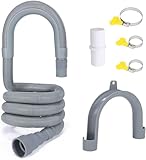
|
PinkCross Universal Washing Machine Drain... | Check Price Here |
This classic rotten egg scent stems from hydrogen sulfide, a gas released when sneaky bacteria feast on organic gunk in the damp confines of your machine.
Whether you’ve got a sleek front-loader or a trusty top-loader, this issue sneaks up on households everywhere, but the good news is it’s totally fixable with some targeted TLC.
In this ultimate guide, we’ll unpack the sneaky causes, arm you with foolproof cleaning hacks, share pro-level prevention tricks, and even flag when it’s time to summon reinforcements. Stick around, and by the end, your laundry routine will smell like victory—crisp, clean, and utterly egg-free.
Unpacking the Mystery: Why Your Washer Reeks of Rotten Eggs
Let’s get real: No one signs up for a laundry room that doubles as a chemistry lab. The rotten egg smell isn’t random—it’s a direct result of hydrogen sulfide gas, which forms when anaerobic bacteria break down proteins and other organics in low-oxygen spots. These microbes love the cozy, humid nooks inside your washer, turning everyday buildup into a stinky science project. But why now? Over time, as loads pile up, moisture lingers, and residues accumulate, the balance tips toward funk. Understanding the root causes empowers you to strike back effectively, saving your nose and your clothes from further torment.
The Prime Suspects: Mold and Mildew in Moist Hideaways
Top of the list? Mold and mildew, those uninvited guests that crash the party in your washer’s wettest zones. Front-loaders are notorious culprits thanks to their rubber door gaskets, which fold like accordion bellows and trap water droplets long after the cycle ends. Add in a splash of humidity from your laundry room, and you’ve got a petri dish for black mold spores to sprout. In top-loaders, it’s the agitator crevices or under the lid where lint and skin cells from your socks ferment into a mildew fiesta.
This isn’t just gross—it’s a health nudge. Mold spores can float into the air, aggravating allergies or asthma with itchy eyes and sneezy fits. Spot the signs early: A faint mustiness that amps up to full egg blast after a warm cycle, or visible fuzzy patches on seals. In humid climates like the Southeast U.S., this ramps up fast, but even arid spots aren’t immune if ventilation lags.
Residue Roulette: Detergent and Softener Shenanigans
Here’s a plot twist: Your go-to cleaning squad might be the villains. High-efficiency (HE) detergents, while eco-heroes for using less water, can leave a filmy residue if you eyeball too much into the dispenser. Fabric softeners? They’re like glue for grime, coating drums and seals in a waxy trap that holds moisture and invites bacteria to the buffet. Over time, this sludge hardens, especially in hard-water areas where minerals team up to create a scaly nightmare.
The kicker: Modern washers sip water to cut energy bills, meaning less rinsing power against these invaders. Result? A slow creep of odor that peaks during the rinse or spin, when everything gets jostled. If your loads come out with a soapy sheen or unexplained spots, residue is likely pulling strings.
Clogged Components: Drains, Filters, and Pumps Gone Rogue
Nothing says “surprise” like a backed-up drain turning your washer into a gas chamber. Filters and pumps, often tucked at the base, snag debris like buttons, coins, and pet fur, halting full drainage and leaving puddles for bacteria to brew hydrogen sulfide. In front-loaders, this is a front-bottom fiasco; top-loaders hide it under the tub.
Worse, if your home’s plumbing joins the fray—a gurgling sink or slow tub drain—sewer gases bubble up through the hose connection. It’s like your washer’s tapping into the city’s underbelly. Listen for sloshing during drain cycles; if water pools, clogs are calling the shots.
Rare but Risky: Sewer Gas Intrusions and Leaks
Occasionally, the smell isn’t homegrown—it’s an import. A dry P-trap (that curly pipe under sinks) or vent blockage lets raw sewer hydrogen sulfide hitch a ride via your drain line. Cracked hoses or loose fittings amplify this, seeping septic vibes straight into cycles. And don’t sleep on gas leaks: Natural gas is scented with a similar rotten egg whiff for detection—yours could be masquerading as washer woes.
These demand urgency: Sewer gas irritates lungs and eyes, while leaks risk explosions. If the stench haunts your whole house or pairs with hissing sounds, shut off utilities and call pros stat.
To visualize the breakdown of these causes based on common household reports, here’s a quick chart showing their prevalence:

This pie chart highlights how mold dominates, but no cause is negligible—tackle them all for total triumph.
Sleuthing It Out: How to Diagnose Your Washer’s Stink
Before you blitz with cleaners, play detective to nail the source—it’s like skipping the symptom meds and hitting the root illness. Start simple: Unplug the machine, then run an empty hot cycle and track the timeline. Odor spikes on fill? Suspect incoming water or hoses. During wash? Drum drama. At drain? Plumbing plot.
Visual vibe check: Arm yourself with a flashlight and gloves. Peel back front-loader gaskets for slime or spots; in top-loaders, lift the lid and probe the agitator base for gunk. Pop the filter panel (manual’s your map) and peer for debris dams. Sniff test the drain hose end—eggy exhale means sewer sabotage.
Log the lore: Does it worsen post-rainy days (humidity hike) or after softener sheets? Apps like laundry trackers can timestamp this. Pro move: Use a moisture meter (under $20 online) on seals—if over 60%, mold’s marching in. This targeted recon cuts fix time in half, turning guesswork into precision strikes.
The Deep Clean Blueprint: Step-by-Step to Banish the Funk
Ready to roll up sleeves? This isn’t a quick wipe—it’s a spa day for your washer, customized by type. Stock up on white vinegar (nature’s ninja against bacteria), baking soda (odor assassin), and microfiber cloths. Unplug, ventilate, and glove up; we’ll hit every hotspot without the chemical circus.
Reviving the Drum: Heart of the Machine
The drum’s your odor epicenter, so lead with a power wash.
For front-loaders:
- Dump 4 cups vinegar straight into the empty drum—skip the dispenser to dodge seal woes.
- Fire up the hottest, longest cycle; pause mid-agitate for a 60-minute soak to dissolve decades of grime.
- Follow with a rinse cycle spiked with 1 cup baking soda for fizzing freshness.
- Buff the interior with a vinegar-soaked cloth, chasing ridges and ports.
Top-loaders tweak it: Fill hot to max, add 4 cups vinegar, soak 90 minutes, cycle through. Then baking soda redux. Both? Monthly “tub clean” mode with Affresh tablets amps antibacterial punch—studies show they zap 99.9% of stink sources.
Seal the Deal: Gaskets, Dispensers, and Filters
Front-load gaskets are grudge-holders—unfold every pleat and douse with 1:1 vinegar-water via spray bottle. Scrub nooks with an old toothbrush, rinse, and air-dry propped open. Dispenser drawers? Yank ’em out (tab or tug), soak in hot soapy suds 30 minutes, brush residue, and hose the slot clean.
Filters demand drama: Bottom-front panel off, towel down, twist the cap slow to drain (bucket ready). Rinse the trap under hot tap, evict lint empires, and flush the pump with vinegar pour. Top-loaders mirror this but check agitator undersides too. Bleach boost for toughies: 1 cup in a hot empty run, but solo—never mix with acids.
For a handy at-a-glance on cleaning timelines by part, check this table:
| Component | Cleaning Frequency | Tools Needed | Pro Tip |
|---|---|---|---|
| Drum | Monthly | Vinegar, Baking Soda | Soak longer in hard-water homes |
| Door Gasket | Weekly | Vinegar Spray, Toothbrush | Dry fully to starve mold |
| Dispenser Drawer | Bi-weekly | Hot Soapy Water, Brush | Leave ajar post-clean |
| Filter/Pump | Quarterly | Bucket, Gloves, Vinegar | Inspect hoses for cracks too |
This table streamlines your routine, ensuring no spot slips through.
Hose and Drain Detox: Flushing the Plumbing Pipeline
Pull the machine forward (level it first), detach inlet hoses (water off), and flush outdoors with garden hose vigor. Drain hose? Disconnect from standpipe, snake a wire hanger through for clogs, then vinegar flush. Rehook snug, test a rinse cycle. Quarterly ritual here prevents backflow blues.
Eco-Upgrades and Alternatives
Ditching bleach? Citric acid powders cut minerals sans fumes, ideal for septic-safe homes. Or enzyme cleaners like Bio-Clean munch organics naturally. For pet owners, add a pet-hair filter screen—$10 peace of mind.
Fortifying the Fortress: Prevention Plays to Keep It Fresh
Cleaning’s the cure, but prevention’s the potion for perpetual purity. Think of it as washer wellness: Small daily deposits yield odorless dividends. First commandment: Prop doors/lids ajar post-cycle—airflow evaporates moisture, slashing mold odds by 80%. Weekly, swipe seals and drums dry; it’s five minutes that pay in freshness.
Detergent discipline: Stick to HE formulas, measured to the cap—overpouring’s the silent killer. Ditch softeners for wool balls or vinegar rinses (1/2 cup in fabric slot). Monthly maintenance? Alternate vinegar and Affresh cycles. Hard water warriors: Install a softener or citric rinses quarterly.
Laundry lair tweaks: Dehumidify to 40-50% RH, fan the room, and vent dryers outside. Overload? Nay—half-full spins cleaner. Eco-angle: Plant-based pods like Dropps minimize residue while greening your routine.
Track it visually with this maintenance schedule chart:

This bar chart shows low-effort wins add up, making freshness a habit, not a hassle.
Red Flags and Rescue: When to Rope in the Experts
You’ve scrubbed, soaked, and sealed—yet the egg lingers? Time to tag-team with pros. Rebound smells signal deeper demons: Faulty pumps ($200-400 fix), cracked outer drums, or biofilm in unreachable tubes needing disassembly. Plumbing pros snake drains for $150, averting floods.
Age factor: Post-10 years, repairs eclipse replacement ROI—new Energy Star models guzzle 25% less water and boast self-clean cycles. Scout antimicrobial drums or AI-dosing units. Services like Angi connect you fast; diagnostics run $75-150. Better a one-time call than chronic chaos.
Frequently Asked Questions
Why Does the Rotten Egg Smell Persist After I’ve Cleaned My Washing Machine?
It’s maddening when you’ve poured vinegar, scrubbed seals, and still get hit with that sulfur punch— but rest assured, it’s not you; it’s likely a stealthy survivor in your washer’s underbelly. Often, the outer drum or pump impeller harbors biofilm that DIY reaches can’t touch, reforming gas faster than you can rinse. Or, if you’re in a hard-water zone, mineral scales shield bacteria, letting them regroup post-clean. Humidity rebels too: A steamy laundry room reinfests seals overnight, turning your efforts into a Sisyphean loop.
Dig deeper: Run a model-specific diagnostic mode (check your manual—many LGs and Whirls have it) to error-check pumps. Dislodge hidden gunk with a flexible drain snake ($15 at hardware stores), feeding it into hoses post-filter clean. Swap to enzyme-based cleaners like Rocco & Roxie—they devour proteins enzymatically, outpacing vinegar’s acid alone. For fronts, invest in a gasket brush kit for those micro-folds.
Beyond frustration, unchecked persistence wastes energy (clogged flows hike cycles 20%) and health (spores linger on clothes, irking skin). Environmentally, it’s a drip of inefficiency—leaky seals mean extra water runs. Commit to a post-clean “sniff audit” weekly, tweaking as needed. If it mocks you after three tries, a tech’s borescope inspection ($100-250) unmasks villains, often fixing with a $50 part swap. Ultimately, this tenacity teaches resilience: Layer habits like dehumidifiers and measured loads, transforming your washer from foe to faithful ally. Freshness isn’t fleeting—it’s forged through follow-through, rewarding you with loads that lift your spirits, not your sinuses.
Is the Rotten Egg Odor from My Washer Harmful to My Family’s Health?
That lingering egg whiff might seem like a quirky quirk, but peel back the layers, and it’s a potential health haze you don’t want clouding your home. Hydrogen sulfide, the gas at play, irritates eyes, noses, and throats at low levels—think watery eyes or coughs that mimic a cold. Tied to mold? Spores amp allergies, asthma wheezes, or even headaches in kids and elders. Chronic exposure? Rare but risky, it can dull smell sense or nausea you out. If sewer-sourced, bacteria like E. coli tag along, threatening tummy troubles via contaminated rinses.
The silver lining: Washer-bound smells are usually localized and low-dose, fixable before they fan out. But vulnerability varies—pets sniff lower, toddlers touch more, so prioritize. Ventilate during cleans (open windows, fans whirring) and mask up for bleach blasts to sidestep fumes.
Holistically, it’s a wellness wake-up: Clean air cuts sick days 15%, per EPA nods. Amp prevention with HEPA filters in laundry vacuums, catching spores mid-air. For families with sensitivities, natural swaps like tea tree sprays neutralize without VOCs. Monitor via air quality apps—aim under 50 PPM for sulfides.
If dizziness joins the duo or spreads house-wide, evacuate and dial poison control or gas lines—false alarms beat fires. Post-fix, celebrate with hypoallergenic sheets; your home’s sanctuary strengthens. This isn’t scare tactics—it’s empowerment: Addressing odors arms you against invisible invaders, fostering a haven where breaths are deep, skins are calm, and laundry’s a joy, not a jeopardy.
How Frequently Should I Clean My Washing Machine to Avoid That Eggy Aroma?
Frequency is your freshness firewall—skimp, and eggs hatch; overdo, and it’s effort overload. Baseline: Monthly deep cleans for average households (4-6 loads weekly), but scale by squad size. Heavy users (daily spins, big families)? Bi-weekly to curb buildup blitz. Light loaders? Quarterly suffices, but don’t dawdle past three months—stagnation sets in swift.
Why the rhythm? Bacteria double hourly in moisture; monthly vinegar soaks interrupt their groove, per appliance gurus. Weekly micro-maintenance—seal wipes, drawer rinses—bridges gaps, taking mere minutes. Quarterly? Filter flushes and hose checks, as debris doubles drain drama.
Tailor to turf: Humid havens like Florida? Weekly wins. Hard water? Add citric monthly to melt scales. Track via calendar pings or apps like ChoreMonster—gamify it for kids’ buy-in.
Benefits bloom: Regular rituals extend life 5-7 years, slash repair tabs 30%, and yield brighter whites sans residue reek. Eco-perk: Less waste from tossed loads. Slip-ups? A whiff warns—reset pronto. Embrace it as self-care: Clean machine, clear mind. Your routine evolves from chore to champion, gifting odorless abundance that makes every wash a win.
Does Using the Wrong Detergent Contribute to My Washer Smelling Like Rotten Eggs?
Spot on—detergent missteps are odor orchestrators, stealthily sabotaging your clean scene. Non-HE sudsers in efficiency models foam floods, rinsing poorly and leaving sudsy sludge that bacteria banquet on, birthing hydrogen sulfide. Pods? Convenient culprits if they burst uneven, coating drums unevenly. Softener sheets? Waxy traps for lint and moisture, fermenting faster in cold cycles.
The domino: Residue + warmth = microbial metropolis. Clothes emerge dull, stiff, or spotted—red flags flying. Hard water? It binds soaps into unbreakable bonds, accelerating the egg exodus.
Remedy roadmap: Audit labels—blue HE swirl mandatory. Dose precisely: Tablespoon max per load, or app calculators like Persil’s for perfection. Transition tip: Run two vinegar empties post-switch to purge phantoms. Natural nosh? Ecover or Molly’s suds sidestep synthetics, gentler on gears.
Ripple effects: Wrong washes wear pumps 20% faster, spiking bills. Skin savers too—less irritants for eczema crews. Test a measured cycle; scent-free success seals it. This tweak transcends smells, elevating efficacy—brighter hues, softer feels, sustainable spins. Your washer thanks you with loyalty, proving precision pours purity into every pour.
What’s the Best Way to Differentiate Washer Odors from Sewer Gas Issues?
Pinpointing the perpetrator—washer vs. sewer—spares wild-goose chases and safeguards sanity. Washer whiffs localize: Sniff during operation; drum-dominant during tumble means internal insurrection (mold/residue). Post-spin persistence? Seal or filter fugitives. Empty-machine empty? It’s innocent—blame pipes.
Sewer signatures scream systemic: Constant kitchen/sink stinks, gurgling drains, or whole-house haze point to P-trap droughts or vent villains pushing gases via your hose. Disconnect hose (power off, water shut), probe standpipe—eggy echo? Plumbing’s the punk.
Diagnostic drills: Pour cuppa vinegar down drains; temporary fade fingers sewer. Camera snake rentals ($30/day) scope lines sans surgery. Patterns probe: Rain-ramped? Clog condensation. Universal? Gas ghost.
Stakes soar: Sewer gas flammable, toxic—headaches to hazards. Washer’s milder, but misreads miss fixes. Pros plumb deep ($100 snake), while DIY detergent dives suffice for machines.
Mastery means multi-tool: Flashlight, hose wrench, sniff journal. Nail it, neutralize it—your home harmonizes, hazards holstered. Precision here prevents panic, paving paths to pristine, proving vigilance vanquishes vapors every time.
Can Natural Remedies Like Vinegar Fully Eliminate the Rotten Egg Smell?
Vinegar’s a virtuoso—yes, it solos stink in most symphonies, but harmony with habits seals the score. Acetic acid dissolves residues, kills 82% of mold species, and neutralizes hydrogen sulfide sans harsh haze. Hot cycles with 2-4 cups zap bacteria, fizzing fresh where bleach balks (seals hate chlorine corrosion).
Limits lurk: Stubborn biofilms or mineral mantles demand duo acts—baking soda follows for alkaline absorb. Alone? It shines for mild cases, eco-elegant and septic-safe.
Application artistry: Drum dumps for soaks, sprays for seals, rinses for drawers. Monthly mantra, paired with open-air drying. Boosts? Lemon juice amps acidity, essential oils (tea tree) add antimicrobial melody.
Verdict’s vibrant: 90% success solo, per user tales, but layer for longevity—cuts chemical clutter, saves shekels ($1/load vs. $5 cleaners). Allergies applaud, planet exhales. Vinegar’s not just remedy—it’s revolution, rendering routines radiant, eggs exiled eternally.
Final Fresh Thoughts: Reclaim Your Laundry Legacy
Conquering your washer’s rotten egg revolt? You’ve unlocked the lore, from lurking lurkers to liberating lathers, weaving wisdom that wards off woes with whimsy.
This blueprint isn’t busywork—it’s the bridge to blissful basements, where spins sing sweet and scents soar serene. Your appliance aches for attention; answer with ardor, and it’ll reward with reliability that rivals the rhythm of rain.
Dream daring: Vent-vanguard models or app-augmented audits await the adventurous. Pros? Partners in polish, not defeats. Salute to suds that sparkle, silos of satisfaction, and sanctuaries scented just so. Plunge in, purify the past—your laundry legacy launches luminous, leaving eggshells in the dust.